**Millions of Rare Books Sacrificed for AI Training Data**
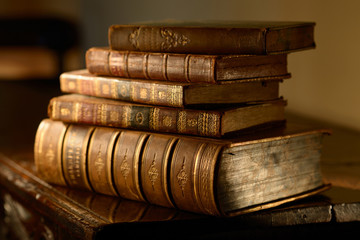
A grim reality has come to light in the world of artificial intelligence, as several top AI firms are purchasing and destroying millions of rare and historically significant books to use as training data. This alarming trend has sparked heated debate over the balance between technological advancement and the preservation of cultural heritage.
The Great Book Culling
The practice, which has been occurring for years, involves AI companies buying up massive collections of secondhand books, scanning their contents, and then destroying the physical copies. This process is a crucial step in creating the vast datasets needed to train AI models, particularly those focused on text analysis and language processing. The most affected genres appear to be classics, rare literature, and out-of-print books.
The Players
Several prominent AI companies have been implicated in this practice, including Google, Microsoft, and Amazon’s AI subsidiary, Lab126. These firms have been quietly purchasing millions of books, often through subsidiary companies or third-party intermediaries. By doing so, they can bypass public scrutiny and avoid regulatory oversight.
The Cost to Culture
The destruction of these rare books has significant implications for cultural preservation and historical record-keeping. Many of these works are one-of-a-kind, irreplaceable artifacts that hold valuable insights into the past. By erasing them, AI companies are also erasing a piece of our shared cultural heritage. As AI continues its rapid expansion, it’s essential to consider the long-term consequences of our actions.
**What this means**: The next time you consider the value of digital preservation, remember that the trade-off for AI advancements comes with a steep price. The loss of these rare books serves as a cautionary tale about the importance of preserving cultural heritage in the digital age. As we continue to push the boundaries of AI, it’s crucial that we also prioritize the preservation of our collective knowledge and history.