
The Pope’s AI Manifesto: A Call to Ethics in the Age of Machines
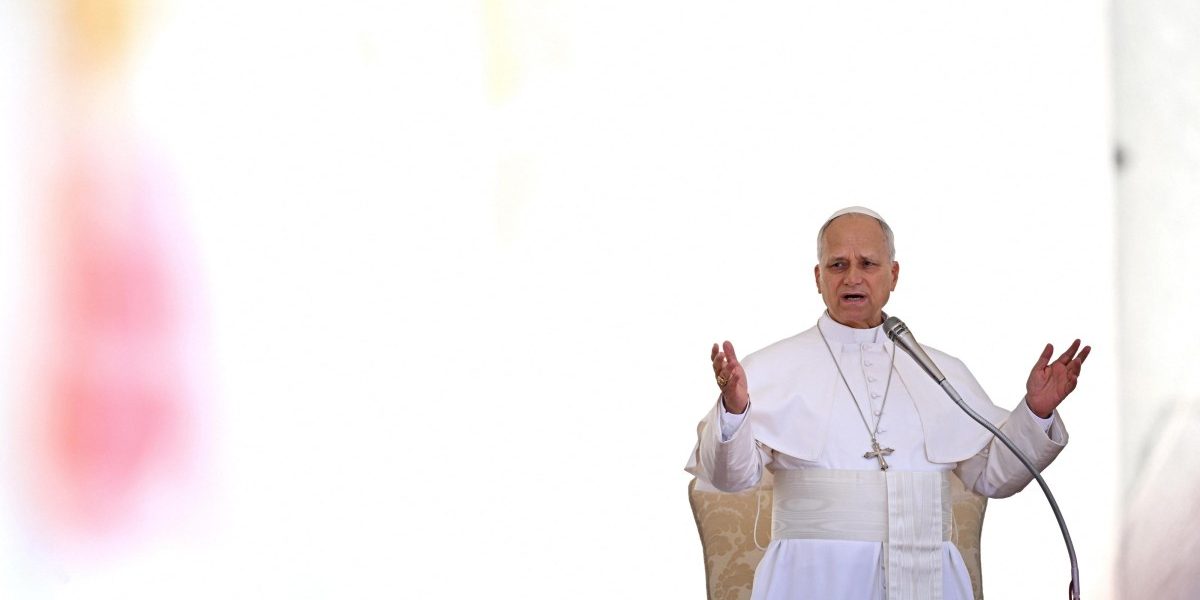
Pope Leo XIV has issued an unprecedented statement on artificial intelligence, urging Catholics and people of all faiths to join him in a conversation about the technology’s role in society. The papal encyclical, titled Magnifica humanitas, represents the Roman Catholic Church’s biggest foray yet into the AI discourse.
In Magnifica humanitas, Pope Leo XIV emphasizes the importance of developing AI responsibly, with ethics at its core. He warns that AI can amplify both the best and worst aspects of human nature, and that it’s up to us to ensure the technology serves humanity’s highest aspirations. The Pope argues that AI should be designed to promote human dignity, solidarity, and the common good.
The encyclical acknowledges the benefits of AI, such as improved healthcare and education, but also highlights the risks, including job displacement and the exacerbation of social inequalities. Pope Leo XIV emphasizes the need for a global dialogue on AI that brings together experts, policymakers, and ordinary people.
What this means: The Pope’s AI Manifesto serves as a reminder that the development of AI is a shared responsibility that requires global cooperation and a commitment to ethics. As the technology continues to shape our world, we must consider the consequences of our actions and strive to create a future where AI enhances human life, rather than controlling it.