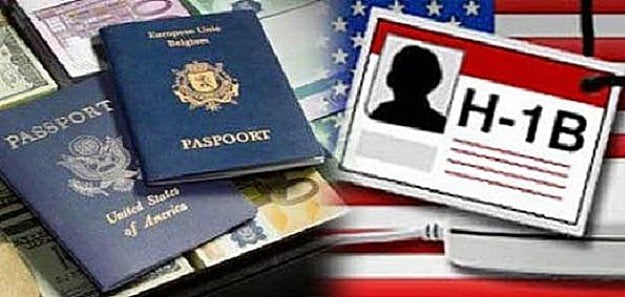
As Mary, a veteran Silicon Valley marketer, scrolls through job listings on LinkedIn, she’s met with a frustrating reality: the American worker she is, can’t compete with the flood of cheaper, foreign-born talent coming in on H-1B work visas.
A Work Visa Program Run Amok
The H-1B visa scheme, intended to fill specialized jobs, has instead become a cheap labor force, threatening the livelihoods of American workers like Mary. Under the current system, employers can hire foreign workers with lower pay, fewer benefits, and a 90-day waiting period, all while circumventing traditional hiring processes.
It’s a situation that has left Mary feeling like a victim of a rigged system. “I’ve lost count of the number of times I’ve seen my job title advertised at 20-30% less than what I earned,” she says. “It’s not just about the pay, though – it’s the fact that they’re willing to do the job, but with fewer benefits and no job security.”
The Human Cost of H-1B Abuses
While some argue that cheap foreign labor is a necessary evil for the tech industry, Mary’s experience highlights the darker side of the H-1B program. By pitting American workers against cheaper foreign labor, companies are perpetuating a culture of disposability, where the value of an employee is measured by their willingness to accept poor working conditions.
What’s more, this system is creating a ripple effect that impacts not just workers, but also their families and communities. “When American workers are pushed out of the job market, it has a devastating impact on local economies and communities,” says economist Dr. **John Schmitt**, a leading expert on labor markets.
What This Means
The H-1B visa scheme’s flaws are a stark reminder that technology’s promise of creating jobs and economic growth often rings hollow for American workers. Mary’s story is a testament to the need for reform and a more equitable system, one that prioritizes the needs of American workers and their families.
For many, the solution lies in a more transparent and accountable H-1B program, one that ensures American workers are protected from exploitation and foreign labor is used responsibly. Until then, the job market will remain a battleground, where cheaper foreign labor outcompetes American workers for a dwindling number of jobs.