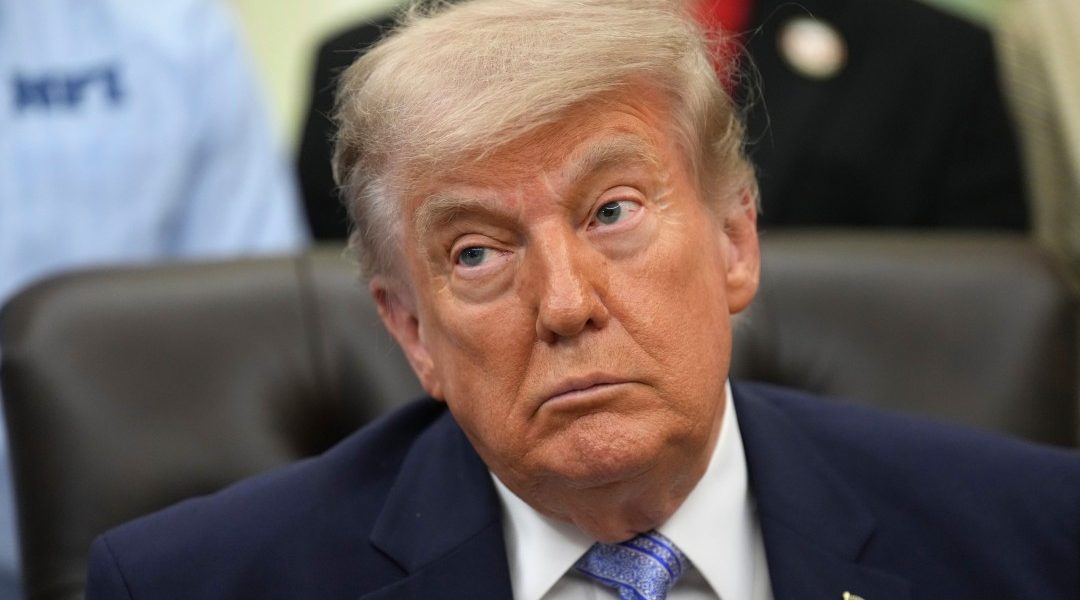
President Trump abruptly delayed signing an executive order on expanding federal oversight of artificial intelligence, just hours before it was supposed to be unveiled.
Why the Delay?
According to Axios, Trump expressed frustration with key elements of the order, saying “I didn’t like certain aspects of it, I postponed it.” This sudden change of heart has left many wondering what specifically was at issue.
Details about the contents of the executive order remain scarce, but sources have hinted that it would have required AI firms to disclose more information about their technologies and potentially even their decision-making processes.
What Was in the Order?
The proposed executive order, which was reportedly drafted by the Trump administration’s National Security Council, aimed to bolster the US’s position in the global AI landscape.
Experts say that the order could have mandated AI developers to make their systems more transparent, potentially paving the way for federal regulatory oversight.
Trump’s decision to delay the order suggests that he may have seen this increased transparency as a threat to the US’s competitive edge in AI.
What This Means
Trump’s decision to delay the order sends a clear signal that the US is unlikely to adopt a more aggressive regulatory approach to AI anytime soon.
This means that companies developing AI technologies will likely continue to operate with limited federal oversight, at least in the near term.
However, this also creates uncertainty and may hinder innovation in the AI sector, as companies may be hesitant to invest in technologies that may not be fully compliant with future regulations.
As the US continues to grapple with the implications of emerging technologies, it’s clear that the regulatory landscape will remain a key battleground in the years to come.