**Google’s AI Pioneer Demis Hassabis Invests in AI-Powered Healthcare**
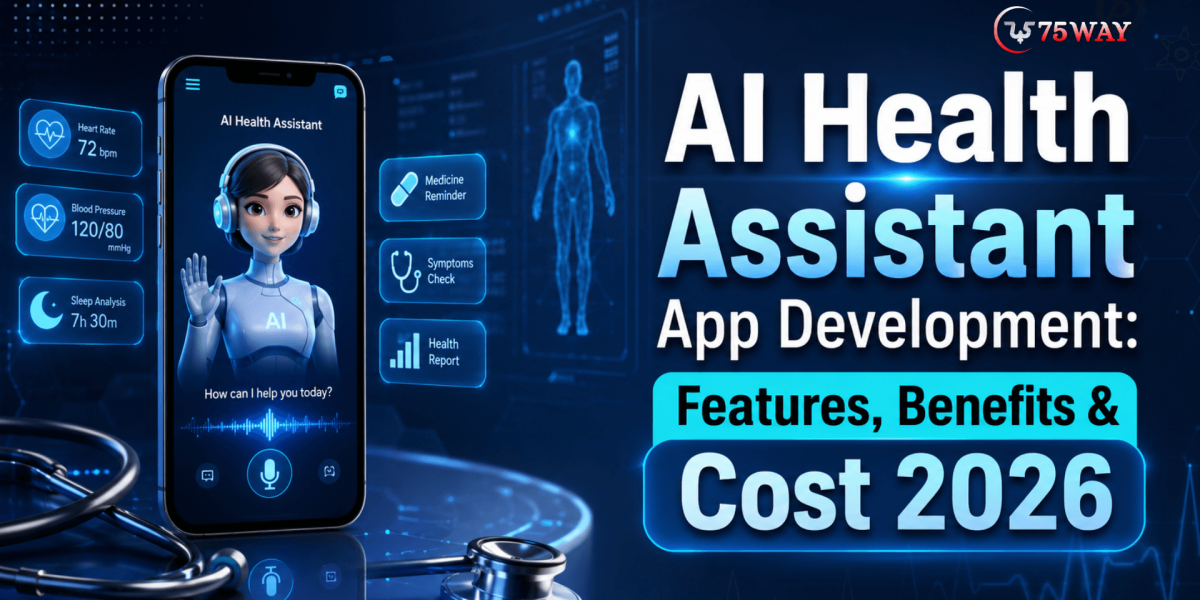
Artificial intelligence is transforming healthcare, and nowhere is this more evident than in the development of AI-powered health assistant apps. These innovative tools are designed to provide users with personalized health advice, track vital signs, and even diagnose medical conditions.
**What Do AI Health Assistant Apps Do?**
These apps are built using advanced AI technologies like natural language processing (NLP) and machine learning (ML). They use secure data systems to collect and analyze user data, such as medical history, symptoms, and lifestyle information. This enables them to provide users with tailored health recommendations and insights.
For example, a user with a history of asthma might receive advice on how to manage their symptoms during peak pollen seasons. Meanwhile, a user with a family history of heart disease might receive guidance on maintaining a healthy diet and exercise routine.
**Building an AI Health Assistant App: Key Components**
To build an AI health assistant app, you’ll need to assemble a team of experts with skills in AI development, cloud computing, and data security. Here are some key components to consider:
* **AI Engine**: This is the brain of your app, responsible for processing user data and generating personalized health advice. Popular AI engines include IBM Watson and Google Cloud AI Platform.
* **Cloud Computing**: You’ll need a cloud-based infrastructure to store and process large amounts of user data. Amazon Web Services (AWS) and Microsoft Azure are popular cloud computing platforms.
* **Data Security**: Protecting user data is essential in healthcare. Consider implementing robust data encryption and access controls to ensure secure data storage.
**Real-World Use Cases for AI Health Assistant Apps**
While AI health assistant apps are still in their early stages, they have the potential to revolutionize the way we approach healthcare. Some real-world use cases include:
* **Remote Patient Monitoring**: AI health assistant apps can track vital signs and detect early warning signs of medical conditions, enabling healthcare professionals to intervene earlier.
* **Personalized Medicine**: By analyzing user data, AI health assistant apps can provide users with tailored health recommendations based on their unique needs and preferences.
* **Health Education**: AI health assistant apps can educate users on healthy habits, disease prevention, and management, empowering them to take control of their health.
**What This Means for Healthcare Innovation**
The development of AI health assistant apps is poised to transform the healthcare industry. With investments from pioneers like Demis Hassabis, these innovative tools are expected to become increasingly sophisticated, providing users with more accurate and personalized health advice. As AI continues to evolve, we can expect to see even more advanced use cases emerge, making healthcare more accessible and effective for all.