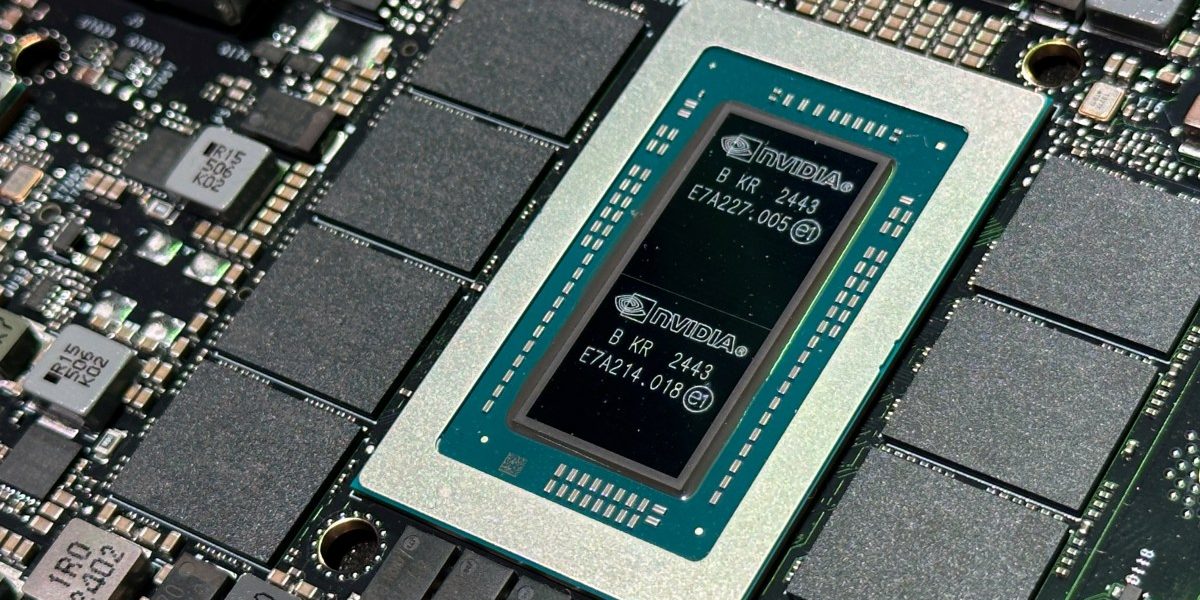
A US Department of Commerce ruling clarifies that subsidiaries of Chinese firms operating worldwide are subject to a ban on AI chip shipments.
The move aims to prevent Chinese companies from circumventing export controls by setting up operations in countries with more lenient regulations.
The guidance is part of an effort to tighten the US export control regime, which has been criticized for loopholes that allow Chinese companies to acquire advanced technology.
The ban affects shipments of semiconductors used in AI development, as well as other high-tech applications.
Tighter Controls
The US Department of Commerce notice comes as the global tech industry grapples with growing concerns over China’s military ambitions and its reliance on foreign technology.
The move is part of a broader effort by the US to restrict China’s access to advanced technology, including AI chips, which are crucial for military applications as well as civilian uses like autonomous vehicles and smart home devices.
The ban also reflects concerns about China’s treatment of US-based companies operating in China, including Huawei, which has faced restrictions on its access to US technology.
What this means
The ruling means that Chinese companies operating outside China will no longer be able to claim immunity from US export controls.
This could impact companies like Alibaba, Baidu, and Tencent, which have subsidiaries and partnerships with US companies.
It’s a significant escalation in the US-China tech rivalry and may lead to further tensions between the two nations.
Global Fallout
The ban is likely to have a global impact, as many Chinese companies have subsidiaries or partnerships in countries like Singapore, Hong Kong, and the UK.
The move could also affect other countries that have relaxed export controls, potentially leading to a global tightening of regulations.
The guidance is seen as a key test of the US export control regime, which has been criticized for its complexity and lack of clarity.
The ruling is a major development in the ongoing US-China tech rivalry, and its implications will be closely watched by tech companies and governments around the world.