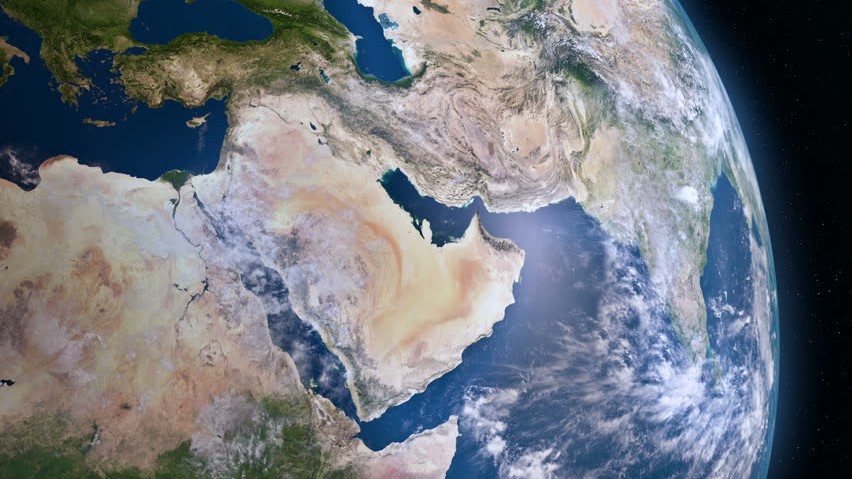
The United Arab Emirates is set to pioneer the world’s first integrated energy-AI economy in Abu Dhabi, a move that signals a seismic shift in the global economic landscape.
Breaking the Mold
For decades, countries have been competing by amplifying individual sectors, whether it’s a larger energy sector, a deeper port, or a stronger digital economy. However, this era of specialization is coming to an end.
China has been positioning itself to become the global hub for emerging technologies, while Gulf states are taking a different approach. Instead of focusing on individual strengths, Abu Dhabi is pioneering the fusion of energy and artificial intelligence (AI) to create a new economic model.
A Three-Nation Tour
Marco Rubio, a US Senator, recently embarked on a three-country tour of the Middle East, aimed at promoting the region’s technological advancements. However, the UAE’s integrated energy-AI economy takes center stage, demonstrating a profound shift in the global economic mindset.
The UAE’s vision for an integrated energy-AI economy encompasses a wide range of sectors, including renewable energy, transportation, and manufacturing. By harnessing AI capabilities, Abu Dhabi aims to optimize energy production and consumption, reduce carbon emissions, and create a more sustainable future.
Implications and Takeaways
The impact of this development will be multifaceted. For one, it will set a new standard for economic growth and development, as countries will need to find innovative ways to integrate different sectors to remain competitive.
What this means for real people is this: as economies become increasingly integrated, the focus will shift from individual sectors to interconnected systems. This will require policymakers, businesses, and individuals to develop new skills, adapt to changing technologies, and think creatively about sustainability and growth.
The UAE’s pioneering effort in Abu Dhabi represents a bold step towards a more interconnected and sustainable future – one that will likely resonate throughout the global economy.