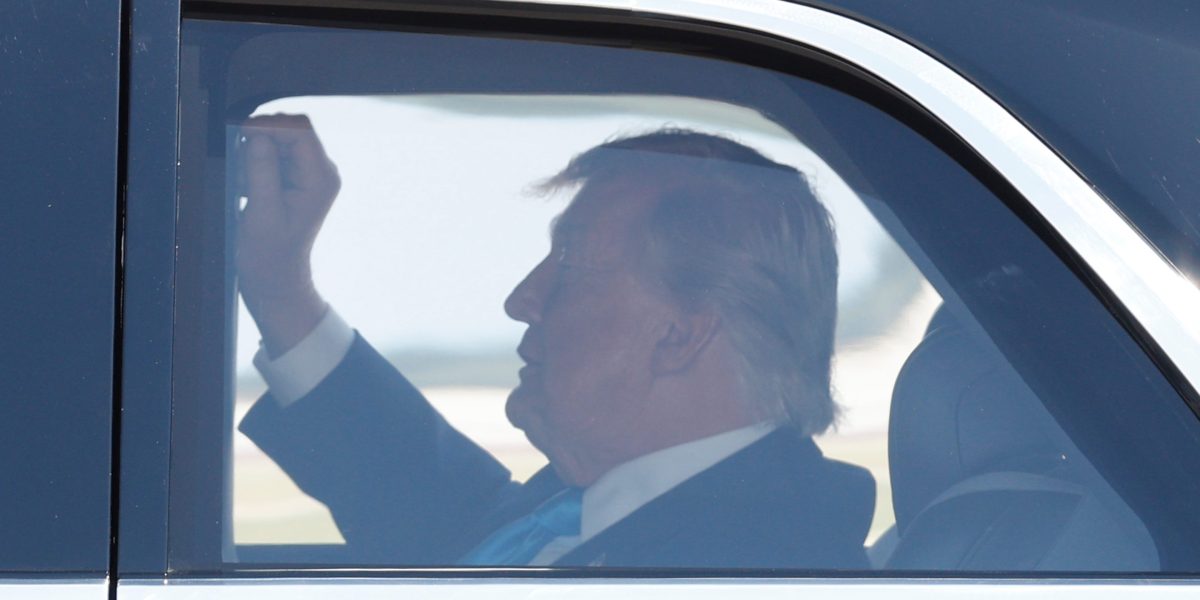
President Donald Trump has hinted at U.S. military involvement in Cuba, suggesting it could become the third country under his presidency to face U.S. military intervention after Venezuela and Iran.
Trump’s About-Face on Cuba
Only a day earlier, Trump suggested that further escalation wasn’t necessary against Cuba, following the announcement of criminal charges against Raul Castro’s government. However, on Thursday, Trump made a stark U-turn, saying that it looks like “I’ll be the one that does it.” This ominous statement has left many wondering what exactly Trump has in mind.
A History of U.S. Tensions with Cuba
The history of U.S.-Cuba relations is complex and fraught with tension. The two countries have been at odds since the Cuban Revolution in the 1950s, with the U.S. having imposed a trade embargo on the island nation in 1960. While President Barack Obama made a significant effort to normalize relations with Cuba in 2015, the Trump administration has since rolled back many of those changes.
U.S. presidents have long considered intervening in Cuba, but so far, none have done so. Trump’s comments suggest that he might be willing to take a more aggressive approach, particularly in light of the recent charges against Raul Castro’s government. What this means for ordinary Cubans remains to be seen, but it’s clear that the situation is becoming increasingly volatile.
What This Means
The prospect of U.S. military involvement in Cuba has significant implications for the island nation and its people. If Trump follows through on his threat, it could lead to a major escalation of tensions and potentially even conflict. The consequences would be far-reaching, affecting not just Cuba but also the broader region. As the situation continues to unfold, one thing is certain: the future of U.S.-Cuba relations is more uncertain than ever.