Tyler Robinson, Defendant in Charlie Kirk’s Killing, Asks Judge to Disqualify Prosecutors
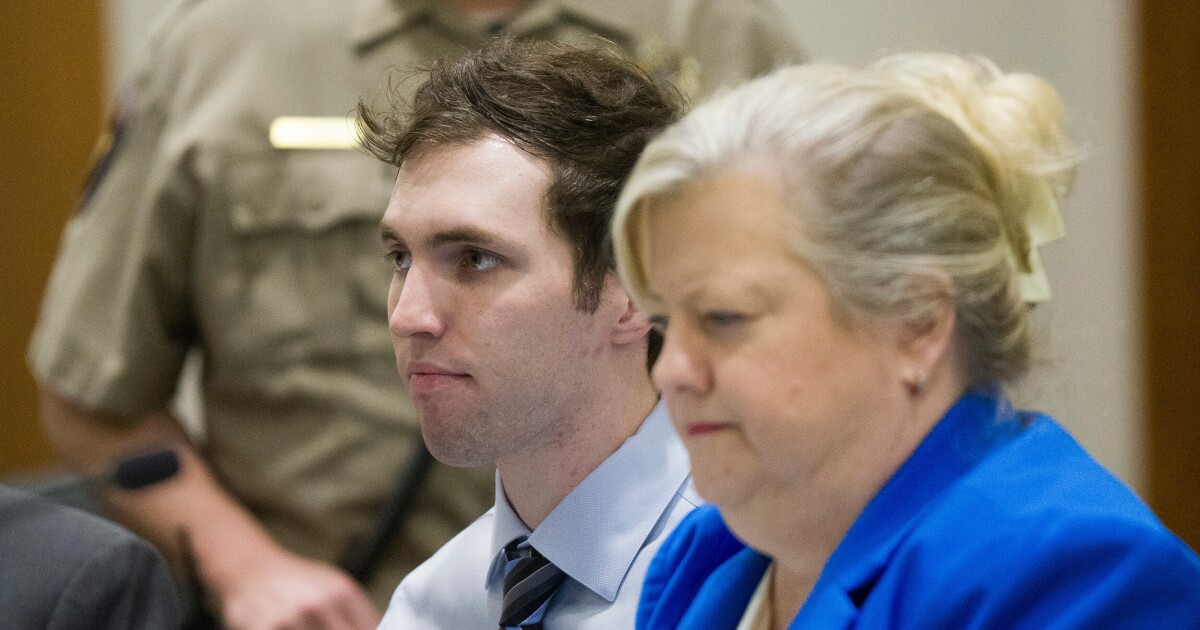
In a high-profile case that has captured national attention, Tyler Robinson, the Utah man charged with the murder of conservative activist Charlie Kirk, returned to court on Friday. Robinson’s defense team is seeking to disqualify the prosecutors involved in the case, citing a potential conflict of interest that could jeopardize a fair trial.
Background of the Case
Charlie Kirk, co-founder of Turning Point USA, was shot during an outdoor rally at Utah Valley University on September 10. Thousands attended the event, where Kirk was engaged in a question-and-answer session with the audience when the tragedy unfolded. Robinson, 22, has pleaded not guilty to the charges of aggravated murder and is facing the death penalty if convicted.
Contentions of Conflict of Interest
The defense argues that the presence of the daughter of a deputy county attorney at the rally creates a conflict of interest. According to court documents, this 18-year-old attended the event where Kirk was shot and subsequently communicated with her father about the chaotic scenes surrounding the incident. The defense claims that this familial connection raises serious concerns about the impartiality of the prosecution team.
Defense attorney Richard Novak emphasized the need for the state attorney general’s office to take over the case, arguing that county prosecutors cannot fairly litigate while simultaneously defending their ability to remain on the case. Novak suggested that the rush to seek the death penalty against Robinson reflects a strong emotional response from the prosecution, which further complicates their ethical standing.
Prosecution’s Response
Utah County Attorney Richard Gray countered the defense’s claims, labeling the disqualification request as an ambush tactic aimed at delaying proceedings. He stated that the daughter of the deputy county attorney is neither a material witness nor a victim in the case, asserting that her knowledge of the events is largely hearsay. Gray further argued that the emotional impact on the prosecutor would not impede their ability to fairly prosecute Robinson.
Expert Opinions
Experts in legal ethics have weighed in on the situation. Robert Church, director of the Utah Prosecution Council, expressed skepticism that the defense’s motion would succeed. He pointed out that disqualification requests are rarely granted unless there is substantial evidence of bias. Church noted, “They’ve got to show a substantial amount of prejudice and bias,” indicating that proving such claims is a significant hurdle for the defense.
The Aftermath of the Shooting
Following the shooting, the daughter of the deputy county attorney reported her experience in a family group chat, stating, “CHARLIE GOT SHOT.” She later clarified in an affidavit that while she heard the gunfire, she did not witness the shooting itself. The affidavit described her emotional state, indicating that while she was frightened at the time, she did not suffer lasting trauma from the incident.
Future Proceedings and Security Measures
As the case unfolds, a preliminary hearing is set for May 18, where prosecutors will present their evidence against Robinson. Notably, they have indicated that DNA evidence links him to the crime scene. Furthermore, it has been reported that Robinson communicated with his romantic partner about targeting Kirk due to his perceived hatred, which could play a significant role in the prosecution’s argument for the death penalty.
In light of the shooting, Utah Valley University President Astrid Tuminez announced her resignation, effective at the end of the semester. The university is also taking steps to enhance campus security following criticisms regarding their safety measures on the day of the shooting.
Conclusion
The legal battle surrounding Tyler Robinson’s case is poised to continue as the court navigates the complexities of potential conflicts of interest and the implications of seeking the death penalty. As public interest remains high, the proceedings will be closely monitored for developments that could influence the outcome of this significant case.