Charles Bediako Returns to Alabama: Judge Recused from Eligibility Case
A new judge will be assigned to handle Alabama star Charles Bediako’s eligibility case after a motion to recuse James H. Roberts Jr. was granted, ESPN reported on Tuesday, citing court documents. The NCAA filed the motion to recuse Roberts, a Tuscaloosa judge who issued the original temporary restraining order that allowed Bediako to return to the Crimson Tide.
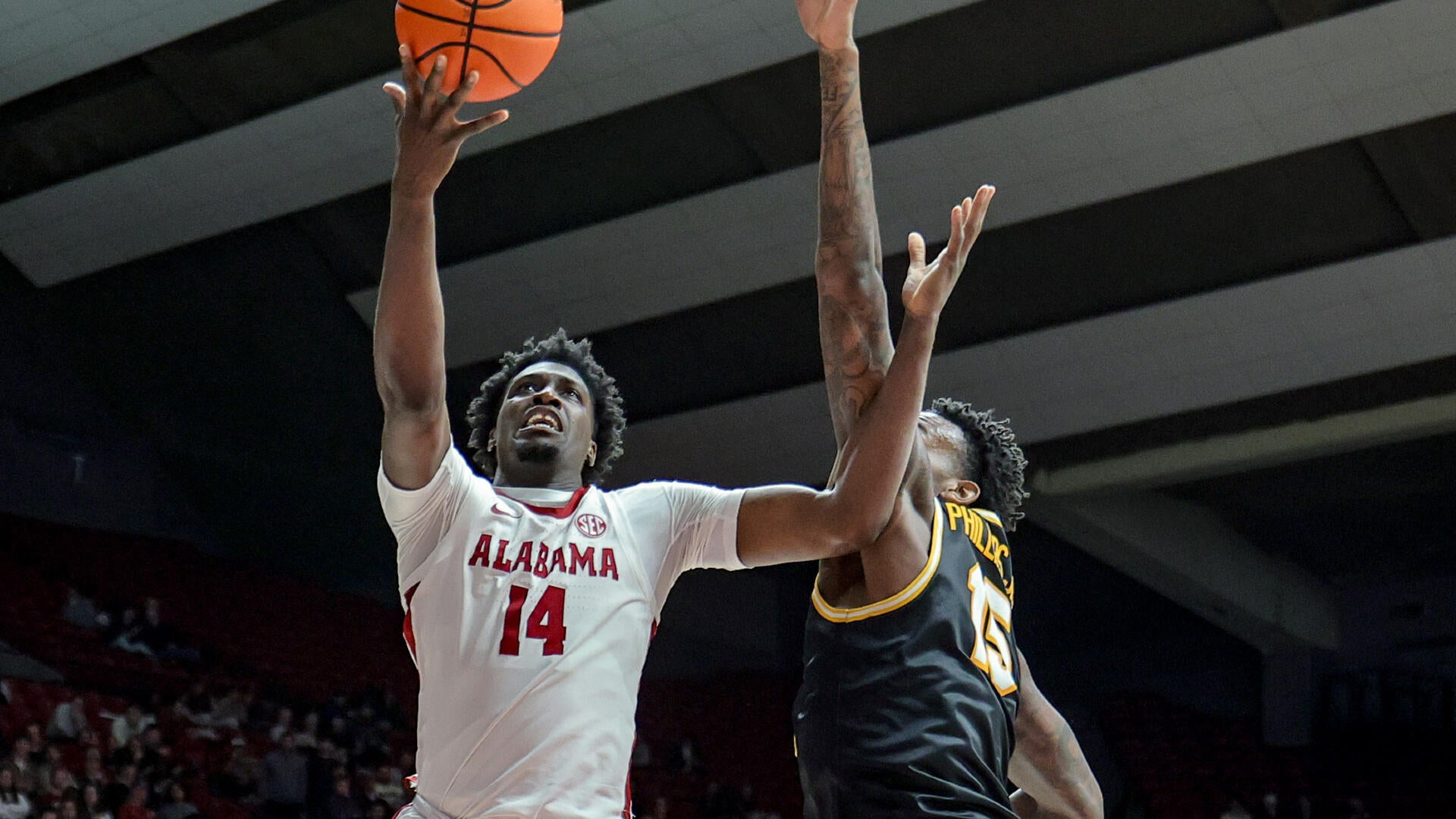
Roberts and his wife, Mary Turner Roberts, are acknowledged donors to the University of Alabama, with contributions between $100,000 and $249,999. Despite last playing for Alabama three years ago, Bediako has been a contributor in his first two games after returning. He played 25 minutes and scored 13 points for the Crimson Tide in their loss to Tennessee and finished with 14 points, six rebounds, and a steal in 18 minutes against Missouri.
NCAA’s Motion to Recuse
The NCAA’s motion requesting Roberts’ recusal noted that it is not alleging “an actual bias, partiality, or prejudice.” However, the NCAA’s argument centered on what it contends is an “impermissible appearance of impropriety” due to the intense media scrutiny and public speculation surrounding the court’s relationship with the University of Alabama and its athletics programs and student-athletes.
Poll Position Questioned
Alabama dropped six spots in the AP Top 25 poll to No. 23 after falling to Tennessee in Bediako’s debut. The presence of Bediako on the floor was an influential factor in at least one voter’s slotting of the Crimson Tide.
Bediako’s Return to College Basketball
Bediako’s return to college basketball after his entry into the 2023 NBA Draft has whipped college basketball into a frenzy. The case is only the latest example of how eligibility standards in college basketball are cratering as the NCAA’s rules continue to face legal challenges.
Bediako signed multiple NBA contracts and has been away from college basketball for nearly three years, making his situation a messy one that has stoked the ire of coaches around the country. The precedent now being established by the Bediako case could permanently change the enforceability of the draft withdrawal deadline, further eroding the NCAA’s ability to govern college basketball.
Differences between Bediako and Nnaji Cases
The case involving Baylor center James Nnaji differs from the Bediako case because Nnaji was drafted in 2023 but never signed an NBA contract. Nnaji was also cleared by the NCAA to play for Baylor, whereas Bediako has not been cleared by the NCAA.
Alabama coach Nate Oats said, “He was here not that long ago, and when he was here, he was an elite rim protector, very good post defender, rebounder, very good lob target. And I think his game’s continued to develop, and we’ll try to use some of the stuff he’s developed.”
Other coaches, including Florida coach Todd Golden and Kentucky coach Mark Pope, have expressed their opinions on the Bediako case, with Golden stating that he doesn’t agree with the decision and Pope suggesting that the NCAA Tournament selection committee should not consider results that occurred when a team played someone who is not eligible under NCAA rules.
What’s Next?
The Bediako case continues to be a topic of discussion in the college basketball world, with many wondering what the future holds for the Alabama star and the NCAA’s eligibility rules. As the case continues to unfold, one thing is certain: the outcome will have a significant impact on the world of college basketball.