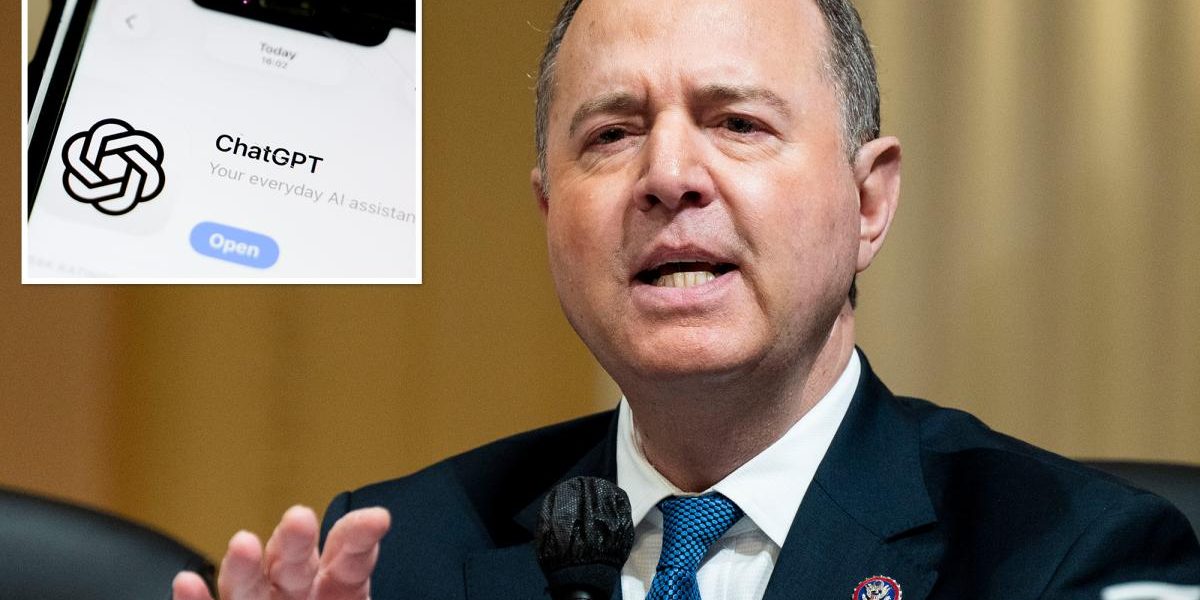
Representative Adam Schiff, known for leading the 2019 impeachment inquiry against President Donald Trump, has proposed a bill to regulate AI-generated content, specifically targeting parodies of public figures, including politicians.
A Paradoxical Proposal
The bill, which aims to curb the spread of misinformation, seems to have a blind spot for its own potential for misinterpretation. The irony isn’t lost on critics who point out the hypocrisy in Schiff’s stance. The proposed legislation appears to be a classic case of ‘do as I say, not as I do.’
During the 2019 impeachment inquiry, Schiff was accused of manipulating evidence, including creating a fake transcript of Trump’s phone call with Ukrainian President Volodymyr Zelensky. The controversy raised questions about the reliability of the evidence presented, which is a core concern that Schiff’s bill aims to address.
The Slippery Slope of Regulation
The proposal to regulate AI-generated parodies raises concerns about the boundaries of free speech and creative expression. Proponents of the bill argue that it’s necessary to prevent the spread of misinformation, but opponents argue that it’s a slippery slope that could lead to censorship.
The problem with regulating AI-generated content is that it’s often difficult to distinguish between parody and actual misinformation. The bill’s authors may not have considered the potential consequences of their proposal, which could lead to the suppression of satirical content that serves an important purpose in holding politicians accountable.
A Warning for Tech Companies and Policymakers
This proposal should serve as a warning for tech companies and policymakers alike. The rapid development of AI technology raises complex questions about the regulation of online content. Policymakers must carefully consider the potential consequences of their proposals, lest they create more problems than they solve.
What this means: This proposal highlights the challenges of regulating AI-generated content and the need for policymakers to carefully balance the protection of free speech with the need to prevent the spread of misinformation. As AI technology continues to evolve, we can expect more contentious debates about the role of regulation in shaping the online landscape.