Trump’s Strait Strafe: U.S. President Backtracks on Hormuz Fee Plan
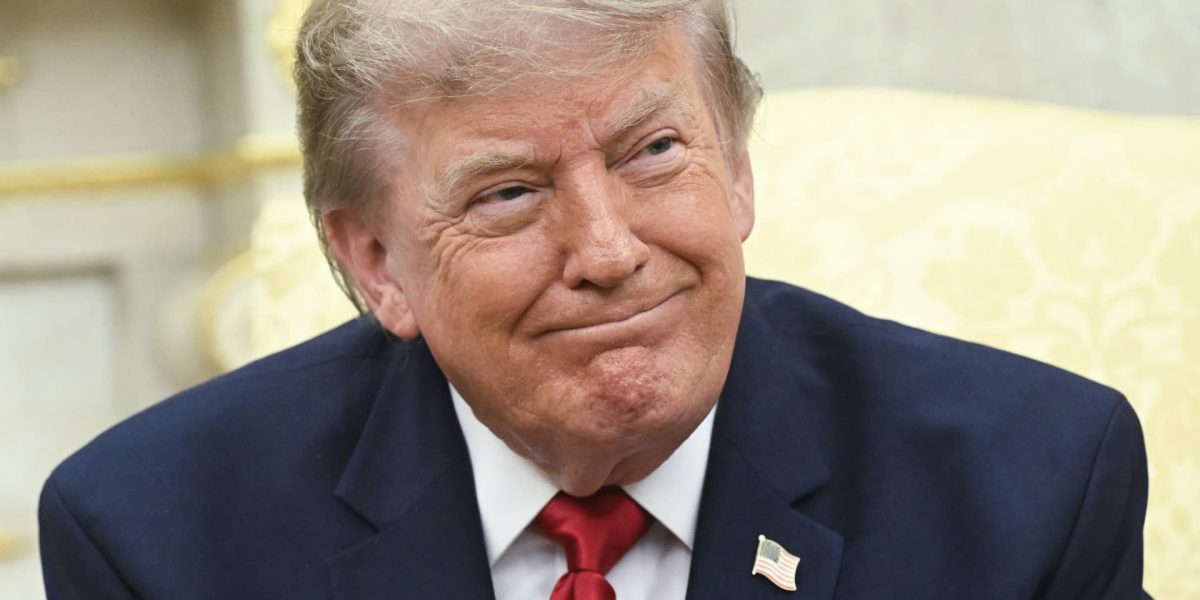
U.S. President Donald Trump has suddenly reversed his announcement to impose fees on ships passing through the Strait of Hormuz, a crucial waterway in the Middle East.
The proposal, which would’ve seen the U.S. collect a $60-per-ton toll on all vessels transiting the strait, sparked outrage from global shipping associations and governments in the region. TACO Tuesday, as the plan was dubbed, aimed to pressure Iran and its allies into renegotiating a new nuclear deal.
The Strait of Hormuz is a strategic chokepoint for oil tankers and cargo ships, with over 20% of the world’s oil supplies passing through it daily. The move would have significantly impacted global trade and oil prices, with estimates suggesting a $1.2 billion annual revenue for the U.S. government.
The sudden reversal comes as a surprise to shipping industry experts, who had been preparing for the new regulations. The U.S. decision to backtrack has been met with relief from countries in the Gulf region, who had feared the fees would lead to a surge in oil prices and destabilize their economies.
However, the plan’s collapse may also signal a larger shift in the U.S. strategy towards Iran. The Trump administration’s withdrawal from the Joint Comprehensive Plan of Action (JCPOA) in 2018 left a power vacuum, and many speculated that the Strait tolls were a last-ditch effort to pressure Tehran into concessions.
What This Means for Shippers
For the shipping industry, the reversal means business as usual for now. Ships will continue to pay the usual tolls, and trade will proceed without significant disruptions. However, the episode highlights the delicate balance of global trade and the potential risks of U.S. policy moves.
The Global Implications
The Strait of Hormuz is a critical artery for the global economy, and any disruptions can have far-reaching consequences. The U.S. decision to backpedal on the tolls may have averted a short-term crisis, but it does little to address the underlying tensions in the region. As the world waits for a new nuclear deal, the Strait of Hormuz remains a volatile flashpoint, and its stability remains crucial for global trade and economic stability.