AI-Powered Design is Breaking Free from Western Influences
A new generation of architects and designers is revolutionizing the industry by fusing traditional techniques with cutting-edge AI tools and cultural perspectives from around the world. They’re no longer content to simply copy Western modernism.
These creatives are redefining the rules of contemporary design, blurring the lines between East and West, and North and South. At the forefront of this movement is Jayanta Sengupta, an architect who has been leading the charge in India. Sengupta’s innovative use of AI-powered design tools has allowed him to merge traditional Indian designs with modern architecture, creating unique, culturally rich spaces.
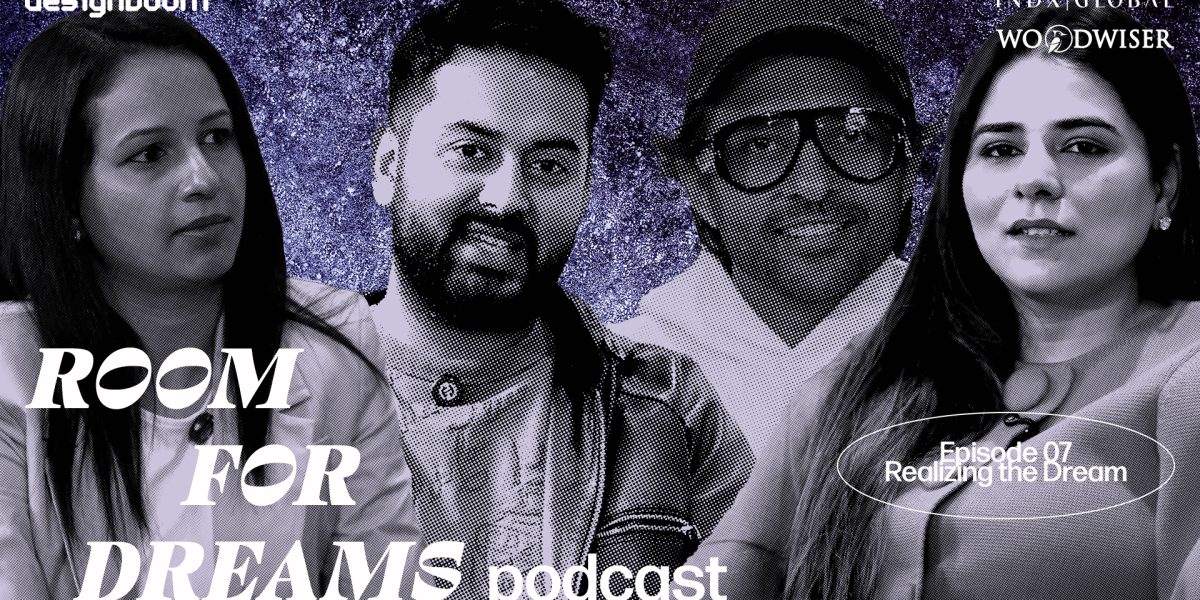
Recorded live at Milan Design Week 2026, a partnership between INDX and INDX|GLOBAL showcased the stunning works of this new generation of designers, who are unafraid to challenge traditional norms and aesthetics. From vibrant, hand-painted murals on skyscrapers to intricately crafted wooden bridges, each project reflects the rich cultural heritage of its creators.
A New Era of Cultural Exchange
This seismic shift in design is not just about aesthetics; it’s also a reflection of the world’s increasingly interconnected nature. As global communication platforms facilitate collaboration and knowledge-sharing, creatives are no longer limited to their local traditions or influences. Instead, they can draw inspiration from diverse cultures and incorporate AI-driven tools to create something entirely new.
This new wave of designers is also leveraging AI to experiment with novel forms and structures. For example, Yasuko Ito, a Japanese designer, used generative AI to create an intricate, algorithmically designed façade for a Tokyo office building. The result is a unique blend of traditional Japanese motifs and futuristic, high-tech materials.
What This Means
This shift towards globally informed, AI-assisted design has significant implications for the built environment. As designers become more comfortable experimenting with diverse cultural influences, we can expect to see a proliferation of unique, culturally rich spaces that reflect the complexities of our globalized world. What this means for everyday people is a chance to experience the richness and diversity of human creativity, reimagined for the modern era.