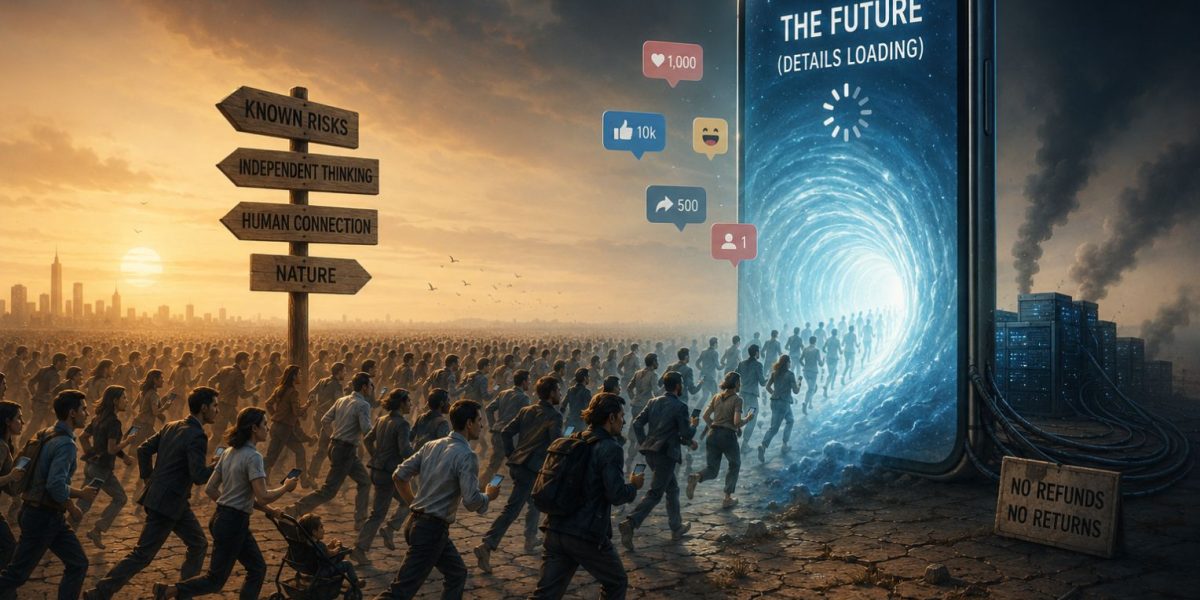
The $90 billion AI injection is set to propel the global market into uncharted territory. This is no longer a debate about whether AI has a place in our lives – it’s about what kind of future we want to create.
New Investments Push AI to the Forefront
Back in early 2024, a staggering $90 billion poured into AI research and development worldwide. The numbers haven’t stopped rising since. Governments, companies, and individuals are repositioning themselves around AI, with projections indicating a continued upward trend.
This influx of capital will undoubtedly fuel advancements in AI technology, but experts are now grappling with the consequences of such rapid development. Without a clear regulatory framework in place, the world could be hurtling into an era of unintended consequences.
AI researcher, Dr. Rachel Kim, emphasizes that the focus should shift from technological progress to ensuring that the benefits of AI are equitably distributed. “As AI becomes increasingly autonomous, we risk exacerbating existing social inequalities unless we address issues like job displacement and access to education.”
What This Means for Everyday People
The choices we make now will have far-reaching implications for our collective future. As AI continues to transform industries, workers will need to adapt to new roles and skill sets, lest they fall behind.
Investing in education and retraining programs will be essential to mitigate the effects of AI-driven job displacement. Governments and companies must prioritize the needs of their workforce, offering support and resources to those affected by the shift.
Meanwhile, individuals can take proactive steps to future-proof their skills and careers. This might involve exploring emerging areas like AI ethics, data science, or AI-assisted creative fields.
The onus is on us to decide how we want AI to fit into our lives. With great power comes great responsibility, and it’s time to make informed choices about the path forward.
The Great AI Experiment
History teaches us that major technological breakthroughs often come with unforeseen consequences. The AI revolution is no exception, and we’re now in the midst of an uncharted experiment.
The stakes are high, but it’s not too late to alter course. By prioritizing inclusivity, transparency, and accountability, we can harness the potential of AI to create a better world for all. The alternative – a future where AI drives us further apart – is a prospect we should all strive to avoid.
With the fate of our collective future hanging in the balance, it’s time to ask ourselves a simple yet crucial question: what kind of world do we want to create with AI at our side?