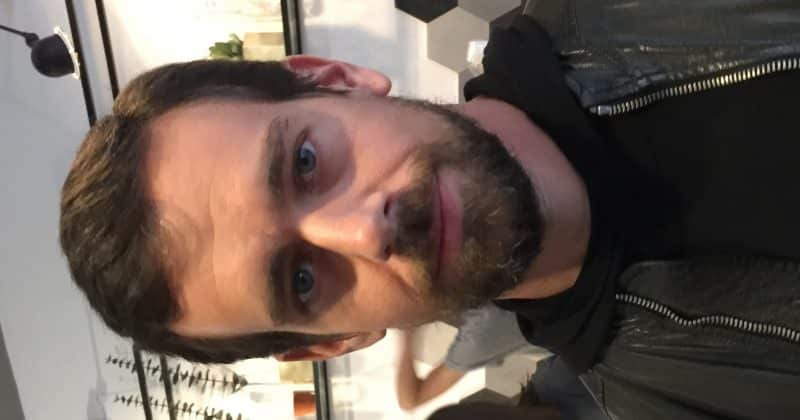
The CEO of Block Inc., Jack Dorsey, has sparked a debate about the future of corporate hierarchies by calling for the elimination of middle managers at his company, citing the potential of AI to replace traditional management layers.
Block Inc., the parent company of Square and Cash App, plans to lay off 40% of its workforce as part of a restructuring effort. This massive downsizing is a direct result of Dorsey’s vision for a more efficient, tech-driven corporate structure.
The Role of AI in Redefining Corporate Hierarchies
In an essay co-authored by Dorsey, he argues that AI has made traditional management layers obsolete. He believes that AI can handle tasks such as data analysis, forecasting, and decision-making, freeing up humans from mundane and time-consuming tasks.
As a result, Dorsey proposes replacing middle managers with AI systems that can analyze data, identify patterns, and make recommendations. This would not only cut costs but also enhance the speed and accuracy of decision-making within the company.
The Broader Implications for Industry Trends
Dorsey’s plan to eliminate middle managers at Block Inc. could set a precedent for other companies to follow suit. If successful, this approach could redefine corporate hierarchies and influence broader industry trends towards leaner, tech-centric models.
However, some experts have raised concerns about the impact of AI on jobs and the human aspect of corporate cultures. They argue that middle managers play a crucial role in fostering collaboration, innovation, and employee engagement within organizations.
What This Means for You
The shift towards AI-driven management structures has far-reaching implications for employees and businesses alike. As AI assumes more responsibilities, it’s essential to reassess the roles of middle managers and the value they bring to organizations.
While AI can certainly augment human capabilities, it’s unlikely to replace the human touch entirely. Companies will need to strike a balance between leveraging AI for efficiency and preserving the creative, collaborative aspects of human work.