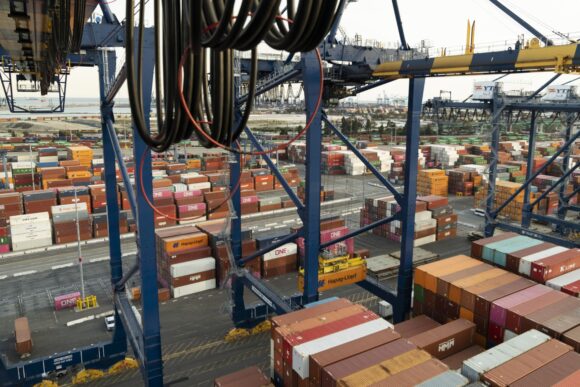

A cargo of pharmaceuticals on its way to a clinical trial in Kuala Lumpur was saved from spoilage thanks to a temperature-tracking AI system. The AI system, which monitors temperature, humidity, and movement, had been installed just in time to prevent a disaster: the shipment was warming in the rising afternoon sun on the tarmac.
Climate-related disruptions have long been a threat to global supply chains, with extreme weather events causing delays, damage, and losses for companies relying on just-in-time logistics. But AI-powered solutions like this one are being developed to mitigate the risks.
AI for Climate Resilience
Researchers at Singapore’s National University of Singapore have been working on an AI system that predicts and mitigates the effects of climate-related disruptions in supply chains. Their system uses machine learning algorithms to analyze data from sensors and weather forecasts. It can detect potential disruptions and provide recommendations for preventive action.
The Singapore team has already tested their system with several companies, including a major logistics firm, and found it to be effective in reducing the risk of disruptions to supply chains. The AI system has also been shown to reduce costs and improve customer satisfaction.
What This Means
For logistics companies and manufacturers, the stakes are high when it comes to managing supply chains in the face of climate-related disruptions. AI-powered solutions like this one offer hope for reducing costs and improving resilience. What does this mean for investors? As governments and companies increasingly turn to AI to mitigate the effects of climate change, investors are likely to see a growing market for AI-powered climate resilience solutions.
**Investing in Climate Resilience**
Investors are already taking notice of the potential for AI to make supply chains more resilient to climate-related disruptions. A recent report by global investment firm, BlackRock, noted that companies with strong climate resilience strategies are likely to outperform those without them. With the potential for AI-powered climate resilience solutions to reduce costs and improve customer satisfaction, investors are likely to see a growing market for these types of investments.
**Singapore’s Climate Resilience Fund**
Singapore has launched a new fund to support the development of climate resilience solutions, including AI-powered systems like the one described above. The fund will provide grants and support to researchers and startups working on climate resilience projects, with a focus on developing solutions that can be scaled up for global impact.