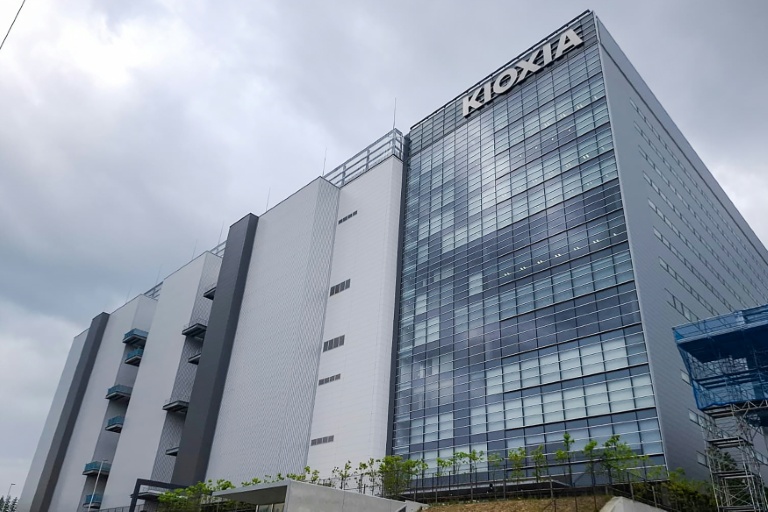
Japan’s Kioxia, the owner of the world’s most valuable NAND flash memory factory, is experiencing an unprecedented upsurge in demand for its memory chips – and it’s all thanks to the AI boom.
AI-Driven Demand
The global race to build artificial intelligence data centres has created a perfect storm for chipmakers like Kioxia. As AI training and deployment accelerate, the need for high-performance computing and storage has skyrocketed. This is particularly true for memory components like NAND flash, which are the backbone of AI data centre operations.
AI workloads are massive, requiring an enormous amount of data to be stored, processed, and transferred. Each AI model trained on a data centre’s vast array of GPUs and TPUs consumes tens of gigabytes of memory, making NAND flash an indispensable component.
Kioxia’s New Factory
To meet this crushing demand, Kioxia is investing heavily in its manufacturing capabilities. The company recently opened a new factory in Yokkaichi, Japan, featuring cutting-edge automation and robotics designed to boost output. Robotic transporters, for example, carry silicon wafers on overhead rails, dramatically reducing production time and increasing yields.
The factory’s state-of-the-art equipment is expected to increase Kioxia’s NAND flash production capacity by 20%, further straining an already tight global market. As a result, memory component prices have skyrocketed, hitting record highs.
What this means
The AI-driven demand for memory components is putting the global chip supply chain under immense pressure. As AI adoption grows, memory component shortages and rising prices will only intensify, making it difficult for companies to scale their AI initiatives. Kioxia’s efforts to meet this demand are a harbinger of the challenges to come – and a reminder that the global AI boom has far-reaching implications for the semiconductor industry.