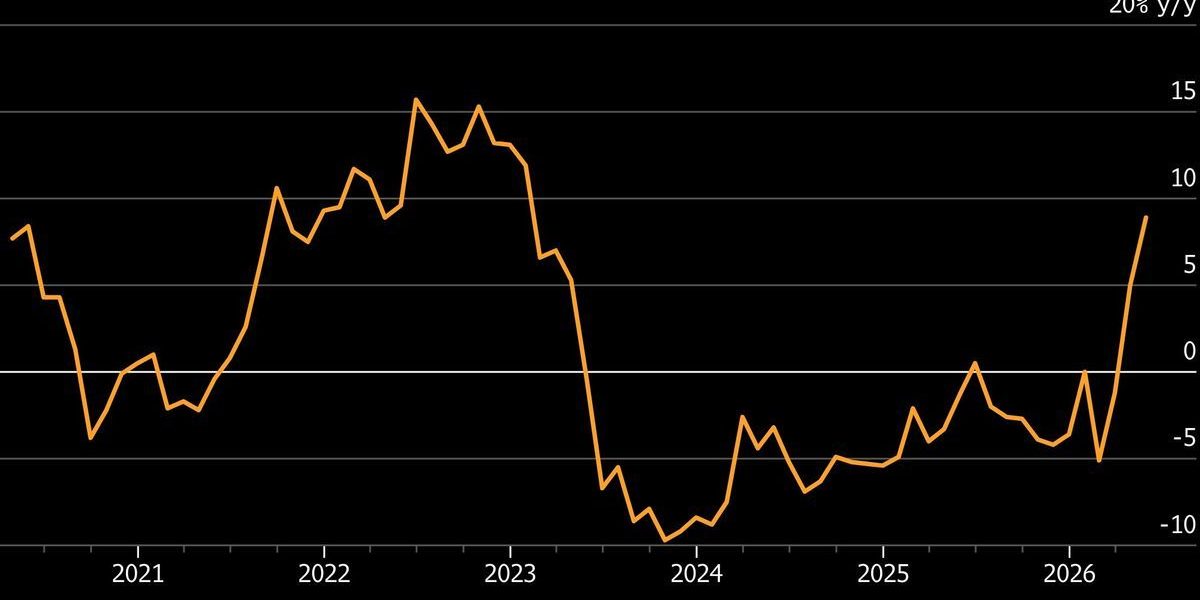
Chinese manufacturing activity has finally shown signs of growth, a welcome respite from months of decline. According to Bloomberg, June saw a significant uptick in factory performance, primarily driven by a surge in exports.
Fueling Growth
The country’s export sector has long been a crucial driver of its economy, and June’s numbers reflect this. Shipments of goods to foreign markets saw a 7.2% increase year-over-year, marking a significant boost to China’s global trade performance. This boom in exports has more than offset the decline in domestic demand, a key indicator of the country’s economic health.
The Purchasing Managers’ Index (PMI), a closely watched metric for gauging manufacturing activity, rose to 50.7 in June, its first expansion in five months. This uptick in the PMI suggests that Chinese manufacturers are starting to feel the positive effects of this export-driven growth.
A Double-Edged Sword
However, while this growth is undoubtedly welcome news for China’s economy, it also raises concerns about the country’s reliance on exports to fuel its growth. Beijing has been actively working to rebalance the economy, shifting the focus towards domestic consumption and innovation. But the significant boost in exports in June suggests that challenges remain in this area.
Much of this growth can be attributed to China’s strategic trade deals, particularly with key partners like the European Union. The China-EU Comprehensive Agreement on Investment (CAI) has opened up new vistas for Chinese exports, and the impact of this deal is already being felt.
What This Means
So, what does this mean for China’s economy and the global trade landscape? For now, it’s a positive sign that manufacturing activity is showing signs of growth. But as China continues to work towards rebalancing its economy, it’s crucial that policymakers keep a close eye on this development. A sustainable growth trajectory will require a more diversified economic strategy, one that doesn’t rely too heavily on exports. Only then can China hope to achieve long-term economic stability and growth.