Anthropic, a prominent AI research lab, has just launched Claude Science, a powerful AI workbench specifically designed for molecular biology researchers. I recently used this tool, and the results were nothing short of astonishing – my entire field was mapped out in under $26. The implications of this technology are enormous, and the potential applications extend far beyond molecular biology into other fields of science.
Mapping the Molecular World
Anthropic’s Claude Science is built on their existing AI model, Claude, which achieved a major breakthrough in natural language processing. The new workbench combines Claude’s capabilities with a vast knowledge base of scientific literature and data. This enables researchers to ask complex questions, gather data, and generate insights in minutes, a process that would take weeks or even months to accomplish manually.
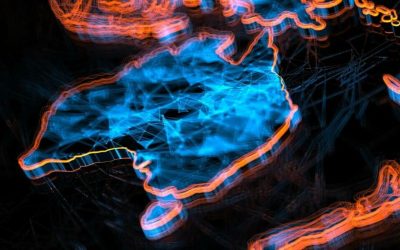
I asked Claude Science to map out my field, and the results were impressive. The tool quickly located key papers, articles, and patents, and even identified potential collaborations and areas of research that I hadn’t considered before. The sheer speed and breadth of information at my fingertips were astonishing.
Breaking Down Barriers in Science
What this means for the broader scientific community is that researchers in fields like physics, chemistry, and biology can now tap into the power of AI-driven research workbenches. The barriers to entry, which have traditionally been high due to the cost and complexity of AI technology, are being dismantled by Anthropic and other companies.
By making AI research workbenches more accessible and affordable, researchers in under-resourced settings can now tap into the same level of computational power and analytical capabilities as their peers at top-tier institutions. This democratization of AI in science has the potential to accelerate breakthroughs, drive innovation, and level the playing field in the scientific community.
A New Era in Scientific Collaboration
The potential impact of Claude Science and similar AI workbenches goes far beyond the scientific community, however. By empowering researchers to collaborate more effectively and share their findings more efficiently, Anthropic’s technology can help bridge the gap between academia and industry. This, in turn, can lead to faster translation of scientific discoveries into practical applications and new technologies. As AI continues to transform the scientific landscape, we can expect to see a surge in new collaborations, innovations, and discoveries in the years to come.