A Bitcoin mining company just signed a $2.6 billion deal for AI-powered infrastructure in Norway. Here’s what that means.
The deal is between **Bitzero Holdings** and OneQode, with Bitzero leasing 110 megawatts (MW) of power at OneQode’s Norway data center site for 15 years. The financial implications of this agreement are substantial, with the parties expecting to generate approximately $2.6 billion in total contracted revenue over that period.
The Shift to AI-Powered Infrastructure
For years, the demand for power infrastructure to support data centers has been driven primarily by the growth of cloud computing and web services. However, with the increasing adoption of AI, this dynamic is shifting. AI applications are driving demands for faster, more powerful computing resources, and data centers are at the forefront of this trend. This deal between Bitzero and OneQode highlights the growing importance of power infrastructure in supporting AI development.
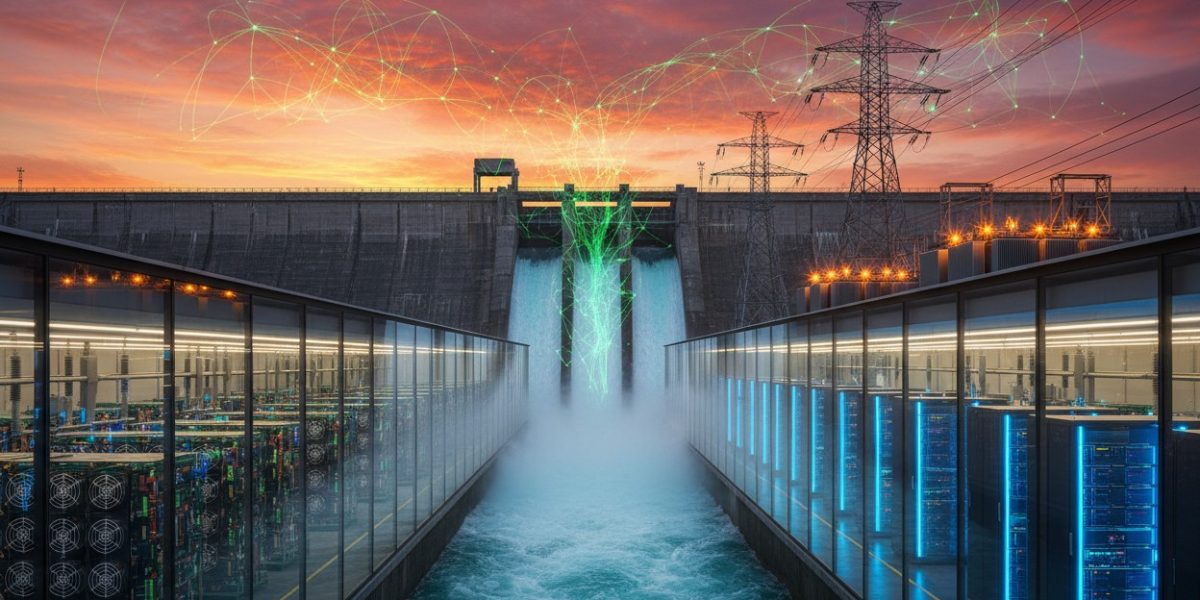
The fact that OneQode’s Norway data center site is the beneficiary of this deal is also noteworthy. Norway is known for its abundant renewable energy resources, which are often used to power data centers. As AI infrastructure continues to scale, there’s a growing recognition of the importance of sustainable energy sources in powering this growth.
AI hosting is an emerging trend that refers to companies leasing data center capacity and computing power to AI start-ups and other AI-related businesses. By signing this agreement, Bitzero is not only securing a significant revenue stream but also positioning itself as a major player in the AI hosting market.
What this means
In practice, this deal signifies a growing recognition of the importance of AI infrastructure in supporting the development of AI applications. As more companies look to adopt AI solutions, this demand is likely to drive further investment in power infrastructure. For consumers, this may mean better, more efficient services, but it also raises important questions about the sustainability of AI growth and the need for renewable energy sources.