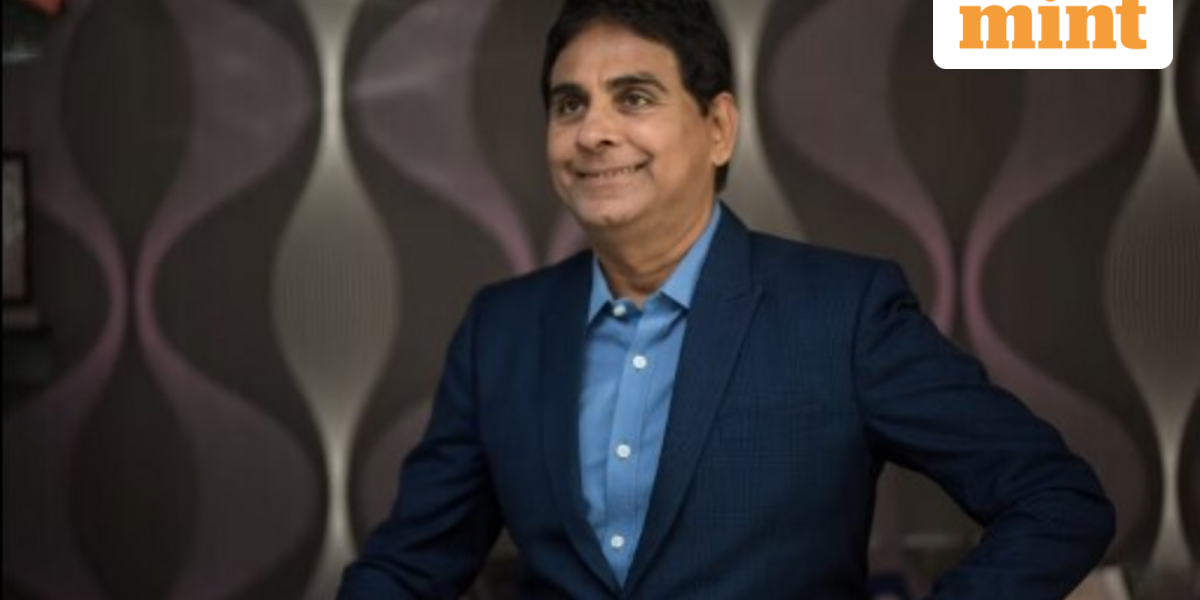
Markets don’t stay in love forever – a lesson from veteran investor Vijay Kedia.
The idea that one asset class remains the “favourite” of the market indefinitely is a myth that many investors still cling to. The truth is, whether it’s equity, real estate, gold, cryptocurrencies, commodities, or technology themes, each undergoes cycles of euphoria and correction. Kedia’s words offer a valuable insight into understanding these patterns.
A Cycle of Emotions
Kedia outlines the typical sequence of events in a market cycle: from opportunity to optimism, euphoria, correction, and ultimately, a new opportunity – a familiar pattern that repeats itself. This cycle is not unique to any particular asset class and serves as a reminder that market sentiment is prone to fluctuations.
When a market enters a phase of euphoria, investors become overly optimistic, and prices start to soar. Eventually, the bubble bursts, leading to a correction. While it may seem counterintuitive, each correction creates a new opportunity for investors who can adapt and learn from past mistakes.
Learning from History
By understanding these market cycles, investors can develop a more nuanced approach to their strategies. They can avoid getting caught in the excitement of a bull run and recognize the warning signs of a potential correction. Kedia’s message encourages investors to stay informed, be flexible, and keep their expectations in check.
For individual investors, this means being prepared to reassess their portfolios and rebalance their investments when necessary. For institutional investors, it means being agile and willing to pivot their strategies in response to changing market conditions.
A New Opportunity
Ultimately, Kedia’s words serve as a reminder that market corrections are an unfortunate yet inevitable part of the investment journey. Rather than viewing these events as setbacks, investors should see them as opportunities to regroup, reassess, and adjust their strategies for the future. By doing so, they can position themselves for the next cycle of growth and profit.