Xprice Foundation founder Peter Diamandis and other tech leaders are betting that a future of ‘radical transparency’ – enabled by a vast network of sensors – will encourage better human behavior.
The Case for Surveillance
The idea might sound like the stuff of dystopian fiction, but tech moguls like Peter Diamandis and Larry Ellison are actually advocating for a future where our every move is monitored. They claim that widespread surveillance will lead to a more honest, more considerate society. Diamandis, co-founder of Xprice, recently made his pitch on X, saying, ‘Humans behave better when watched.’
The Benefits of Radical Transparency
Diamandis’ vision for a surveillance state is built on the idea that constant monitoring will reduce crime, improve road safety, and even help tackle climate change. He’s not alone in this thinking; tech leaders like Elon Musk and Richard Branson have also spoken about the potential benefits of widespread surveillance. Musk has argued that a network of high-resolution surveillance cameras could help identify and prevent crimes before they happen.
The Reality Check
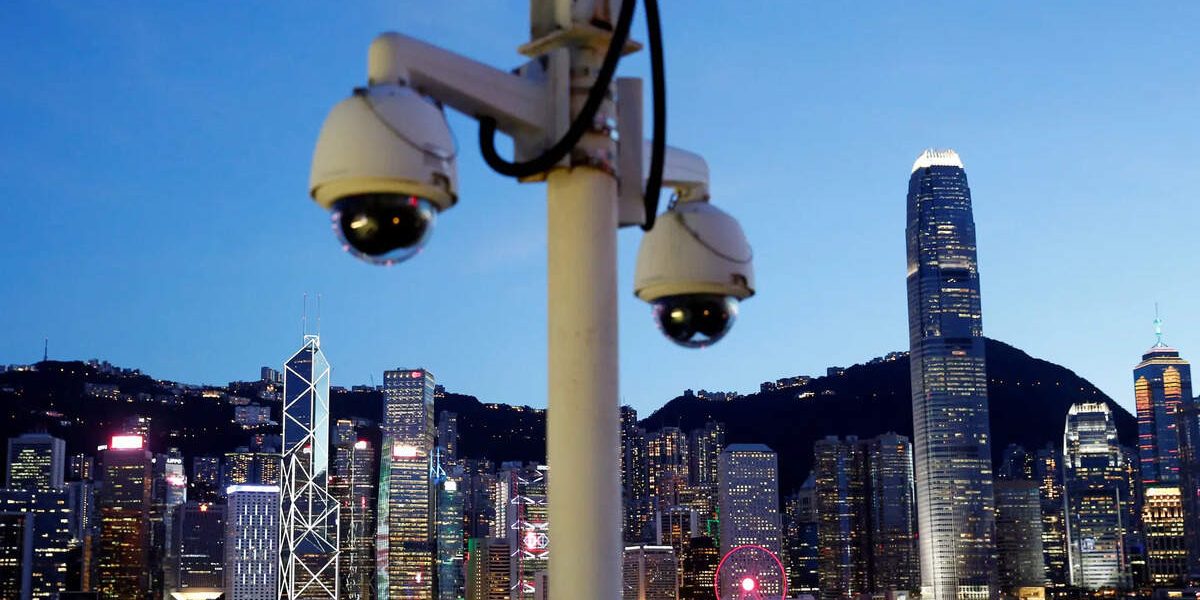
But while the idea of a surveillance state might seem appealing in theory, the reality is far more complex. Critics argue that mass surveillance would undermine civil liberties and create a culture of fear. They’re not wrong – studies have shown that people who know they’re being watched are more likely to engage in self-censorship and conform to societal norms, rather than acting with genuine integrity. Furthermore, the sheer scale of the surveillance state would be staggering, with millions of cameras, sensors, and drones monitoring our every move. It’s difficult to see how this would be anything other than a recipe for social control.
What This Means
The push for a surveillance state is a reminder that the lines between innovation and control are often blurry. As we continue to develop new technologies, we need to ask tough questions about how they’re being used – and who’s using them. While the idea of a more transparent society might seem appealing, we need to consider the potential risks and trade-offs before embracing a future where our every move is monitored.