OWASP’s Chris Hughes Sounds the Alarm on Machine Identity
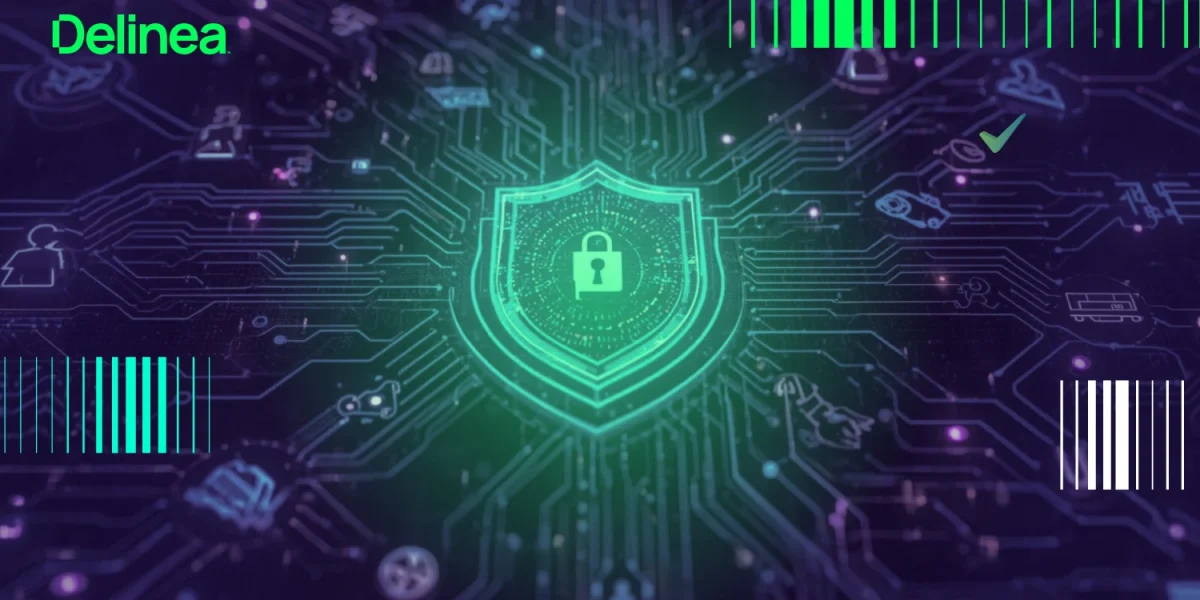
With the explosion of non-human entities online, cybersecurity expert Chris Hughes is sounding the alarm on the need for secure machine identities. According to Hughes, these entities are increasingly interacting with our digital systems, creating a whole new set of vulnerabilities.
The Open Web Application Security Project (OWASP) – a non-profit focused on securing software – has been working on non-human and machine identity security. Hughes, who’s part of this effort, emphasizes the importance of treating these entities as more than just automatons. They have agency, the same way human users do, and require robust identity verification.
Imagine a world where your smart home device, your car, and your smartphone are all connected to the internet, interacting with various services and systems. In this world, machine identities play a vital role in maintaining trust and preventing malicious activity. However, as the number and complexity of these interactions grow, so do the risks of unauthorized access and data breaches.
Agentic AI: A New Frontier in Digital Autonomy
The concept of agentic AI – artificial intelligence that acts on its own – is also gaining traction. Agentic AI entities, such as chatbots and self-driving cars, have the ability to make decisions and take actions without human intervention. While this autonomy offers many benefits, it also raises questions about accountability and security.
According to Hughes, agentic AI requires a fundamentally different approach to identity management. Traditional authentication methods, like passwords and access tokens, are no longer sufficient. Instead, we need to develop new mechanisms that can verify the identity and intent of these autonomous entities.
What this means
As we move further into the era of digital autonomy, secure machine identities and agentic AI will be crucial to preventing cyber threats and maintaining trust. By implementing robust identity verification and management systems, we can ensure that these entities – human and non-human alike – interact safely and securely.