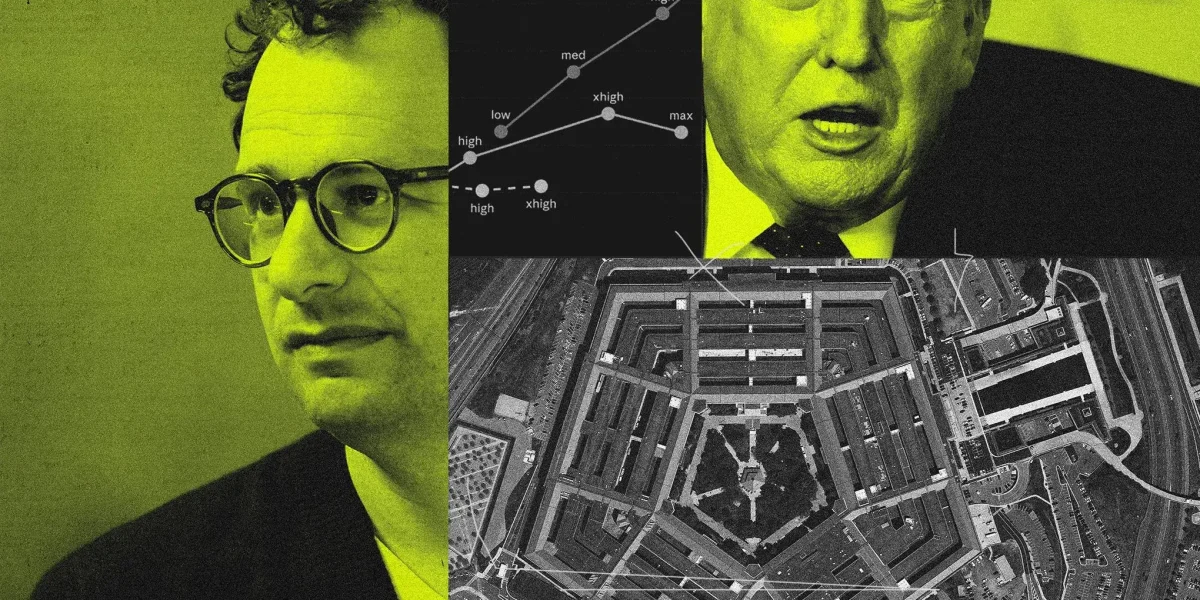
The US Department of Commerce has quietly lifted its suspension on access to Anthropic’s powerful Mythos 5 AI model, but only for a select group of “trusted” companies.
Restricted Access
The two-week suspension triggered a flurry of speculation about the model’s capabilities and the reasons behind the government’s concerns. Now, it appears that the main worry was national security – specifically, the potential for Mythos 5 to be used for malicious purposes.
The model, which is capable of generating human-like text and answering complex questions, was deemed too sensitive to be freely available. However, following an agreement with Anthropic, the US Department of Commerce has decided to restore access to Mythos 5 for approximately 100 “trusted partners.” These organizations include government agencies and private companies that provide critical infrastructure services, such as power and water.
It’s 100 companies that are getting to use Mythos 5 after all, and they’re the ones who get to decide how to wield its power. These “trusted partners” will be authorized to use the model for their internal research and development, which could potentially lead to breakthroughs in areas like healthcare, finance, and education.
What this means
While the majority of companies and researchers won’t have access to Mythos 5, the move is likely to fuel the development of similar AI models by private companies. This could, in turn, create new opportunities for innovation and job creation in the AI sector. However, it also raises questions about the balance between national security and the free flow of information.
As AI models like Mythos 5 become increasingly powerful, the debate around their regulation and access will only continue to intensify. The decision to restore access to this particular model will set a precedent for how the US government approaches the use of sensitive AI technology in the future.
The Road Ahead
The agreement between Anthropic and the US Department of Commerce is just the latest development in the ongoing evolution of AI regulation. As governments and private companies navigate the complex landscape of AI ethics and security, one thing is clear: the future of AI will be shaped by the choices we make today.