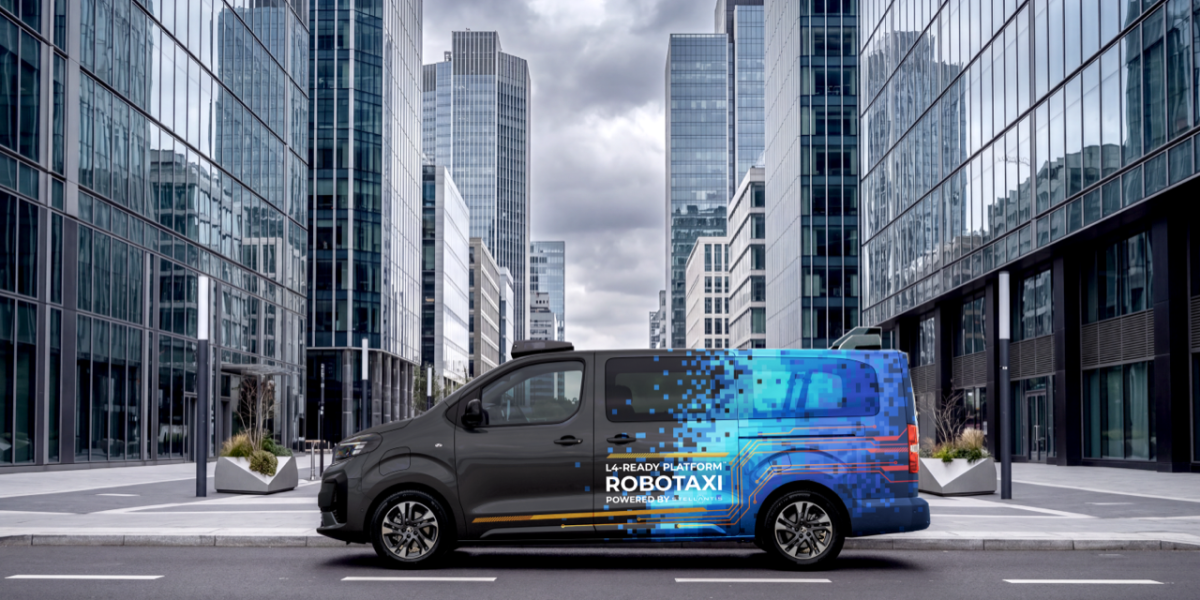
Uber and Wayve Team Up with Stellantis to Revolutionize Robotaxis
Automakers and ride-hailing giants are racing to develop the technology that could transform urban transportation: driverless taxis.
This week, a significant partnership between **Stellantis**, a major automotive manufacturer, **Wayve**, a British startup specializing in self-driving technology, and **Uber**, the world’s largest ride-hailing service, was announced, marking a major milestone in the pursuit of autonomous taxis.
The agreement focuses on advancing the technical capabilities of robotaxis, with a specific emphasis on Level 4 autonomy, which enables vehicles to operate without human intervention in specific environments, such as designated areas within cities. By combining their resources and expertise, the three companies aim to accelerate the development of reliable, scalable, and safe autonomous driving systems for public transportation.
What This Means
The partnership signifies a crucial step towards the widespread adoption of driverless taxis, which could have a profound impact on the way we travel in cities. Improved public transportation options could lead to reduced traffic congestion, lower emissions, and increased mobility for the elderly and disabled.
Practical Applications and Future Outlook
The integration of AI and machine learning algorithms will play a vital role in perfecting the navigation and decision-making capabilities of autonomous vehicles. As this technology advances, we can expect to see increased collaboration between automotive manufacturers, tech startups, and ride-hailing services, driving innovation and competition in the field.
The stakes are high, with companies like Waymo, a subsidiary of Alphabet, also pushing the boundaries of autonomous technology. However, with significant investments and expertise from partners like Stellantis and Uber, the prospect of seeing robotaxis on public roads in the near future becomes increasingly plausible.