US Government Sides with xAI in Data Centre Pollution Lawsuit
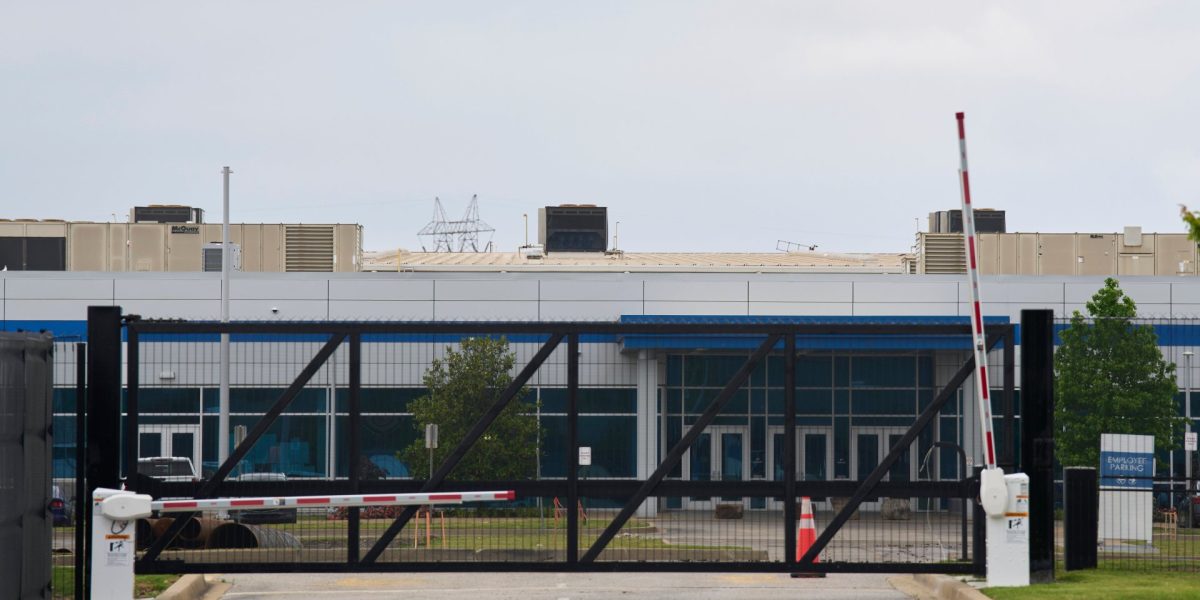
The Trump administration has filed a motion to halt a lawsuit against xAI, a cutting-edge AI research facility backed by **Elon Musk**, citing concerns over national security, economic instability, and energy security. The unusual intervention comes as the NAACP and local activists sue the company over alleged environmental impact associated with a $20bn data centre in Tennessee.
The data centre, designed to support xAI’s ambitious AI research goals, has sparked intense debate over its environmental consequences. Local residents and activists have expressed concerns about the centre’s potential to exacerbate air pollution, heat island effects, and other environmental issues. However, the US Department of Justice has countered that these concerns pose an existential threat to the nation’s energy security.
NAACP Slams Justice Department’s Move
The NAACP has denounced the US Department of Justice’s intervention, calling it a “clear attempt to stifle accountability for pollution”. The civil rights group asserts that the government’s action is motivated by a desire to prioritize corporate interests over environmental and public health concerns. “This is a disturbing example of how the government can be co-opted to serve the interests of large corporations,” a NAACP spokesperson said in a statement.
Bigger Implications for AI Regulation
The lawsuit and the government’s intervention have sparked concerns about the lack of robust regulations governing the development and deployment of large-scale AI research facilities. As AI continues to play an increasingly central role in our daily lives, questions over environmental and social responsibility are becoming increasingly pressing. This case highlights the need for clear and enforceable guidelines on the environmental impact of AI development.
A key question now is whether this lawsuit will serve as a bellwether for future AI development projects. If the government succeeds in halting the lawsuit, it could set a precedent for similar cases, potentially giving AI companies a free pass to disregard environmental concerns. On the other hand, if the court sides with the NAACP and local activists, it could pave the way for tougher regulations and greater accountability for AI companies.
What this means is that the future of AI development is increasingly tied to the future of environmental and social responsibility. As the sector continues to grow, it’s essential that policymakers, corporations, and civil society come together to ensure that AI development prioritizes the well-being of both people and the planet.