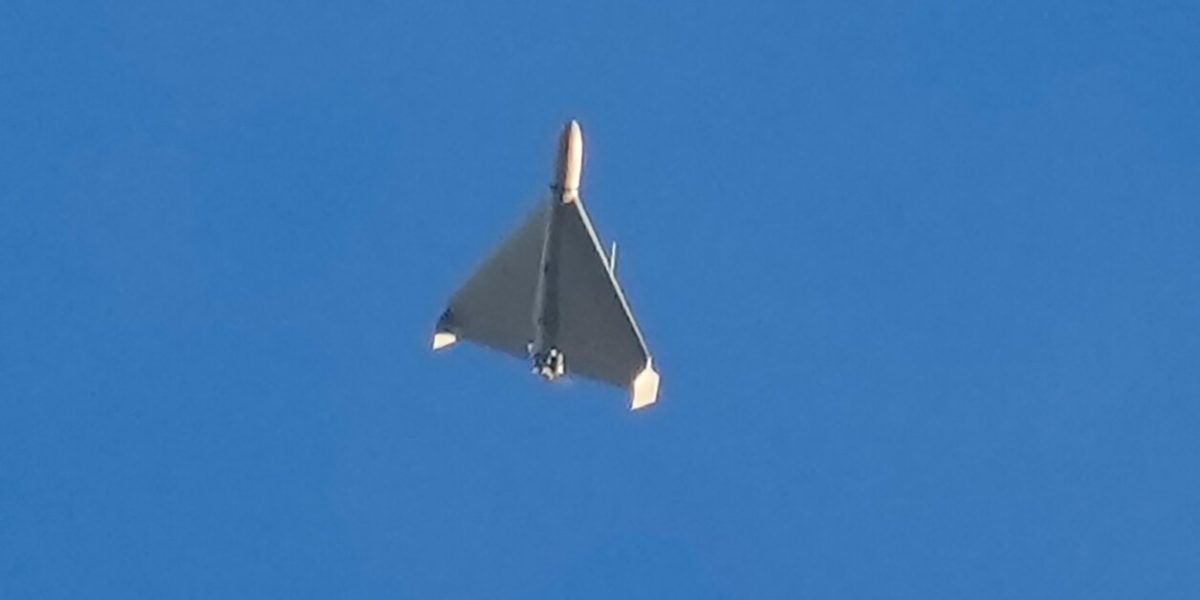
Drone-Watching Network Launched in Lithuania
A Lithuanian startup has partnered with activists to develop an open-source network for detecting drones of the Shahed type, used by Russian forces during the Ukraine conflict.
Using Crowdsourced Data
The system, called Drone Rada, relies on volunteers providing data from their smartphones to help identify and track Shahed drones. By pooling this information, the network aims to provide a more accurate and comprehensive picture of drone activity.
The system can be downloaded as an app on volunteers’ phones, allowing them to contribute to the data collection process. This crowdsourced approach enables the network to cover a wider area, as multiple users can report sightings in different locations. The data is then aggregated and visualized on a map, providing a real-time overview of drone activity.
What this means
For civilians in areas where Shahed drones are used, having access to a drone detection system can be a matter of life and death. The Drone Rada network provides a vital tool for communities to stay informed and stay safe. By leveraging crowdsourced data, the system can help identify areas with high drone activity, allowing authorities and residents to take necessary precautions.
Open-Source and Community-Driven
The open-source nature of the Drone Rada system has significant implications for the future of drone detection. By making the technology freely available, the developers are empowering communities to take control of their own safety. As more users contribute to the network, the system will become increasingly accurate and effective. **Drone Rada’s founder, Vaidotas Didžgalvis**, emphasizes the importance of collaboration and community involvement in making the system a success: “We believe that by working together, we can create a safer and more transparent world.”