SpaceX’s IPO Launches a New Era in Technocratic Titans
SpaceX’s recent initial public offering (IPO) catapulted Elon Musk into the exclusive trillionaire club. But what does this milestone really signify?
The company’s valuation now stands at a staggering $560 billion, surpassing the GDP of many countries.
What is SpaceX, really?
SpaceX is often categorized as a private aerospace manufacturer and space transport services company. However, beneath this label lies a complex entity that has evolved into something unprecedented in the world of finance. It’s a firm that seamlessly transitions between traditional industries – aviation, energy, and transportation – while leveraging cutting-edge technologies like artificial intelligence and autonomous systems.
This blurred line between sectors is reminiscent of the ‘multiverse’ concept in theoretical physics, where various parallel universes coexist, albeit separately. SpaceX, in a sense, operates across multiple universes, making it challenging to pinpoint its primary focus. This adaptability has allowed the company to expand its reach and diversify revenue streams.
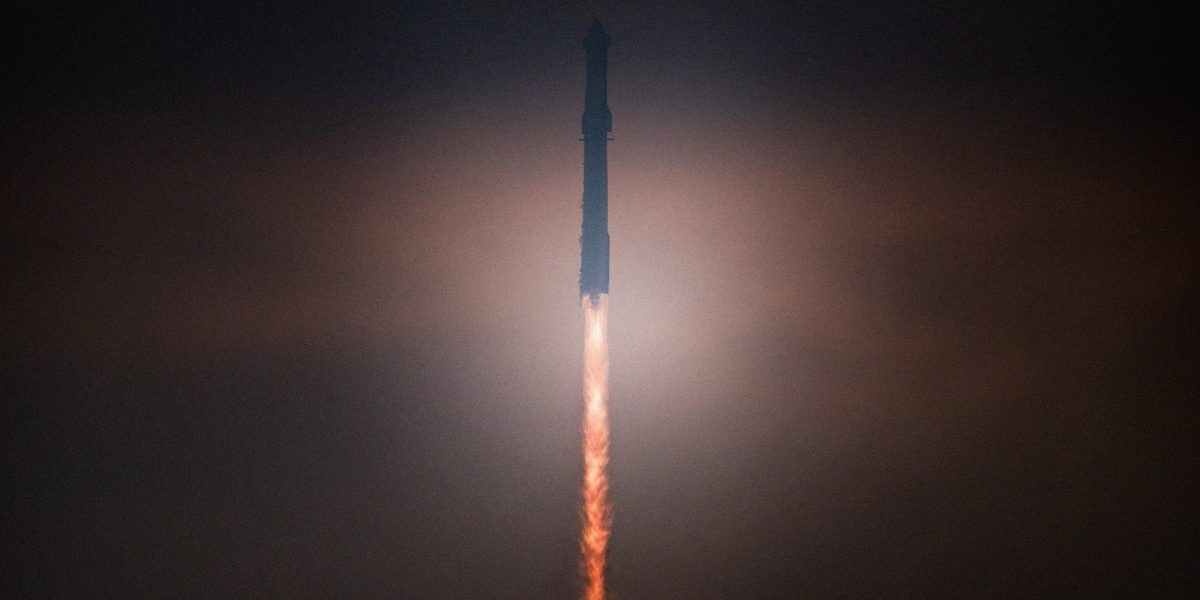
For instance, its Starlink satellite constellation, initially conceived as a commercial broadband network, has since become a cornerstone for Musk’s vision of a global, interconnected internet. Similarly, the Starship program, aimed at establishing a human settlement on Mars, is being developed in tandem with applications in Earth’s orbit and even in the field of interplanetary transportation.
The Rise of Technocratic Titans
Elon Musk’s success with SpaceX is a testament to the emerging phenomenon of technocratic titans – individuals who wield disproportionate influence over global events through their mastery of cutting-edge technologies. This shift marks a significant departure from traditional power structures, where economic or political might was the primary determinant of influence.
Technocrats like Musk, who combine vision, innovative thinking, and the ability to mobilize vast resources, are poised to shape the course of human history. Their impact will be felt in areas ranging from energy and transportation to space exploration and, increasingly, the global governance of emerging technologies.
A New Era of Accountability
The sheer scale of SpaceX’s valuation also raises critical questions about corporate accountability and governance. As technocratic titans continue to accumulate wealth and influence, it’s essential to establish robust regulatory frameworks that balance innovation with responsible growth.
What this means is that the public, policymakers, and investors must begin to address the complex implications of a world where a single entity, or a small group of entities, holds an unprecedented degree of power. It’s time to reimagine the rules of the game and redefine the boundaries of accountability in the age of technocratic titans.