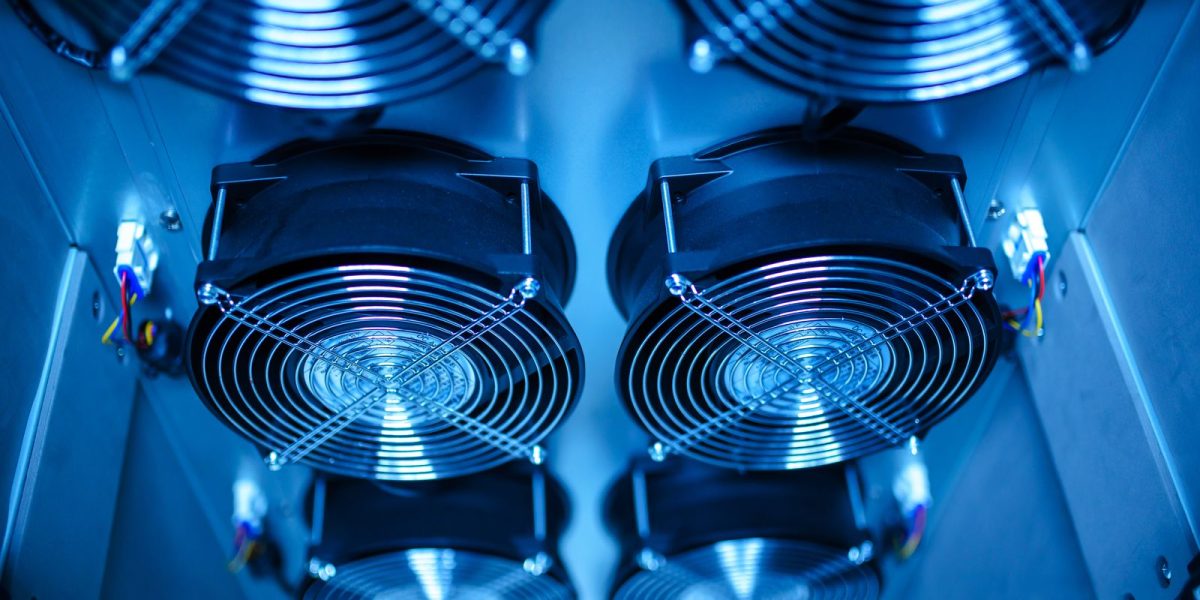
A single 100-word email generated with ChatGPT is estimated to require roughly a bottle’s worth of water, considering data-centre cooling and electricity generation, a figure that may seem negligible on its own but scales to a staggering 4.2 to 6.6 billion cubic metres of water withdrawn by AI every year by 2027, roughly half the United Kingdom’s annual freshwater withdrawals.
The Water Footprint of AI
Researchers have found that AI’s water needs are not just a matter of cooling and powering servers, but also the extraction and transportation of water for data-centre operations, as well as the production of electronics and other equipment used in AI deployments. **80%** of the world’s data-centres are located in areas with water scarcity, highlighting the growing concern over AI’s environmental impact.
The water footprint of AI is not just an issue of withdrawal, but also of consumption. While 4.2 to 6.6 billion cubic metres of water are withdrawn annually, **only 30%** is actually consumed by AI operations, with the remaining 70% lost to evaporation or used in other processes.
The Unseen Costs of AI
The environmental costs of AI are often overlooked in favour of its benefits, such as increased efficiency and productivity. However, as AI becomes more ubiquitous, its water footprint is set to grow exponentially, putting a strain on local resources and ecosystems. **By 2027, AI is projected to withdraw 4.2 to 6.6 billion cubic metres of water, a figure that is set to increase as AI adoption continues to rise.**
What This Means
The water footprint of AI is a pressing concern that requires urgent attention. As AI continues to play a larger role in our lives, we need to consider the environmental costs of its deployment, and explore ways to reduce its water needs and consumption. This may involve developing more energy-efficient AI systems, implementing water-saving measures in data-centres, or exploring alternative sources of water.