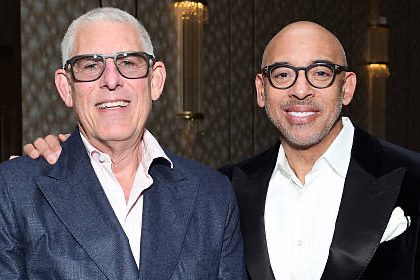
Lyor Cohen and Harvey Mason Jr. Want the AI Industry to Get Real About Fake Voices and Faces.
A proposed US law called the “NO FAKES” Act has AI developers and voice experts scrambling to adapt to potential regulations. The Act’s main aim: protect individuals’ rights to their unique voice and likeness from AI-generated digital replicas.
Senate Moves to Put the Brakes on AI Fakes
The “NO FAKES” Act of 2026, formally known as the “Nurture Originals, Foster Art, and Keep Entertainment Safe” bill, recently gained attention from the Senate Judiciary Committee. This legislation would establish a new intellectual property right for individuals to authorize or block digital replicas of their voice and likeness. Think deepfakes, AI-generated voices in movies, or voice assistants using celebrity voices without permission.
Harvey Mason Jr., CEO of the Recording Academy, and Lyor Cohen, YouTube’s global head of music, penned a guest post advocating for this legislation. They argue that AI-generated content often lacks authenticity and can compromise artistic integrity. “The use of AI-generated voices and likenesses without consent can be a threat to the very essence of our creative industries,” they write.
A New Era of Accountability for AI Firms
The proposed law’s implications for the AI industry are significant. If passed, companies would need to obtain explicit permission from individuals before using their voice or likeness in AI-generated content. This creates a challenge for AI developers who rely on user data to create realistic digital replicas.
Firms will need to reassess their data collection practices and ensure they can obtain the necessary permissions for AI-generated content. “This is an opportunity for the AI industry to prove its commitment to ethics and accountability,” Mason and Cohen write.
What This Means for You
The “NO FAKES” Act may not directly affect everyday users, but it could impact how companies like Google, Amazon, and Meta approach AI-generated content. The bill’s aim is to prevent misuse and protect individuals’ rights to their unique identity. If passed, this legislation could lead to a more transparent and accountable AI industry.