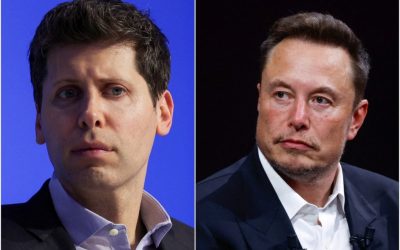
Musk Sues OpenAI Over Alleged Deviation from Humanitarian Mission
A US jury has delivered a decisive verdict against Elon Musk, dismissing his lawsuit against OpenAI and finding the AI company not liable for allegedly deviating from its mission to benefit humanity.
The high-profile case, which had been closely watched in the tech industry, began in 2021 when Musk claimed OpenAI had betrayed its initial commitment to creating AI that would ultimately help humans. Musk, who is a significant investor in the company, argued that OpenAI’s development of more advanced AI models, such as GPT-3, were in direct conflict with its stated mission.
OpenAI’s Defense
OpenAI’s legal team presented evidence that the company had always intended to develop and commercialize its AI technology, regardless of whether it would directly benefit human society. They argued that Musk’s investment in the company was contingent on his acceptance of this business strategy, and that he had failed to explicitly communicate his concerns to the company until it was too late.
Jury’s Ruling
The US jury ultimately sided with OpenAI, finding that the company had not deviated from its mission and that Musk’s claims were unfounded. The ruling has been seen as a significant victory for OpenAI, which is valued at over $20 billion and is widely regarded as one of the leading developers of cutting-edge AI technology.
What this means
The outcome of this lawsuit sends a clear signal to investors and developers that OpenAI is committed to its business strategy, regardless of potential controversy surrounding its AI technology. The company can now focus on further developing its AI models without fear of being pulled off course by external pressures or lawsuits.
Musk’s loss in this lawsuit also highlights the challenges of holding AI companies accountable for their actions and the potential risks of investing in companies with unclear or conflicting missions. As AI technology continues to advance and become increasingly integrated into our daily lives, these questions will only become more pressing.