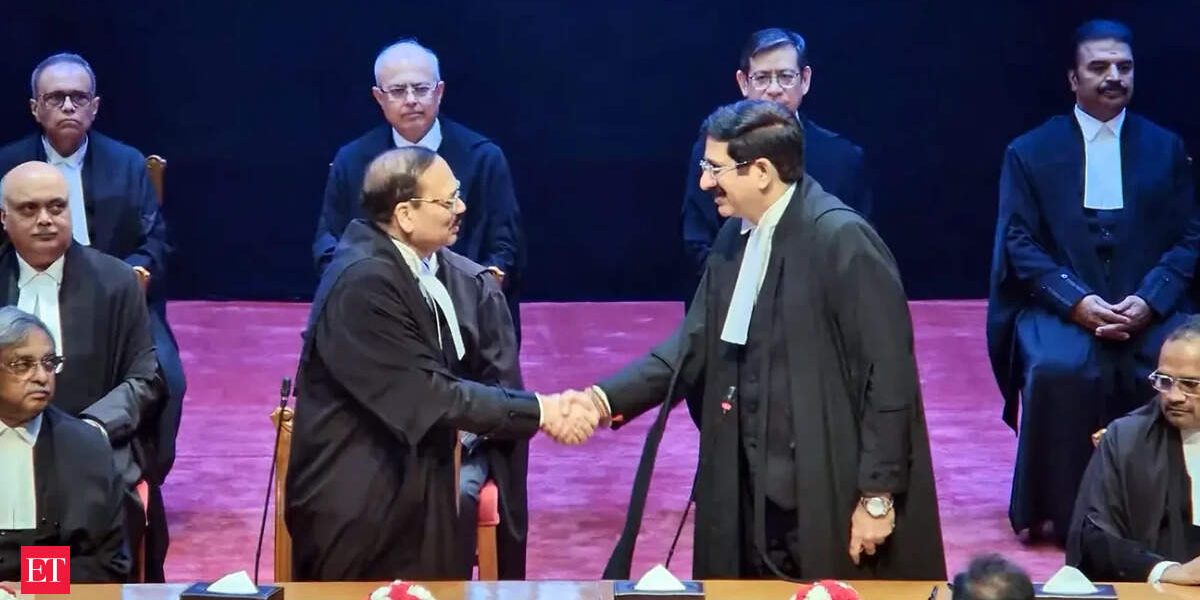
Chief Justice of India Surya Kant recently made headlines by highlighting a sobering truth: that in today’s justice system, courts often protect the rights of those who have the resources to litigate, leaving the marginalized and underprivileged behind. This is a stark reminder that technology, though touted as a panacea for many societal ills, has yet to fully bridge the gap in access to justice.
A Judicial System in Need of Reform
The CJI’s words are a call to action, emphasizing that a court’s primary function is not to merely serve those who can afford to hire lawyers, but to uphold the rights of all citizens, regardless of economic or social standing. This is a critical moment for the judiciary in India, as it grapples with the complexities of accessing justice in an increasingly digital age.
The Chief Justice’s comment about transparency and self-correction is key. He is saying that if courts are truly committed to upholding the rule of law, they must be willing to adapt to the changing needs of society. This includes embracing technology to make courts more accessible, efficient, and accountable.
One area where technology can play a crucial role is in making court proceedings more transparent. Streaming court hearings online, for instance, can help increase public awareness of the judicial process and reduce the burden on physically attending court. Additionally, digital platforms can facilitate the submission of documents and evidence, reducing paperwork and increasing the speed of the justice delivery system.
What This Means
Ultimately, the Chief Justice’s words have significant implications for the Indian justice system. If courts are to truly fulfill their constitutional function, they must be more than just institutions that serve the privileged few. They must be accessible, transparent, and accountable to all citizens. The challenge now is to harness technology to achieve this goal, rather than merely relying on the status quo.
From Tech to Justice
Chief Justice Surya Kant’s comment also highlights the need for a more nuanced understanding of the role technology can play in the justice system. While technology has the potential to make courts more efficient and accessible, it is ultimately a means to an end, not an end in itself. The true test of the Indian justice system’s commitment to reform will be how effectively it uses technology to expand access to justice, not just for the privileged, but for all citizens.