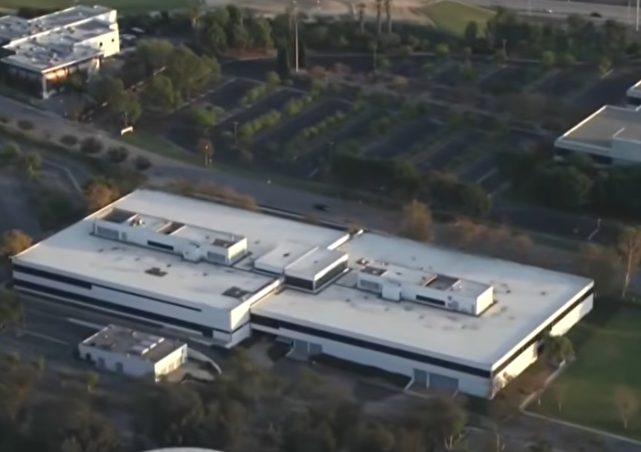
Californians Block AI Data Centers, China Ties Spark Fear
Voters in Monterey Park, California, have dealt a blow to plans for a massive AI data center, joining a growing list of cities pushing back against the tech industry’s relentless march into their backyards. The data center, intended to support the growth of AI technologies, faced an overwhelming “no” vote in the city’s recent primary election. But what’s driving this trend, and what does it mean for the future of AI infrastructure in the United States?
China’s Role in US Data Center Backlash
Lawmakers and industry insiders are pointing fingers at China, suggesting that the country’s involvement in AI data center projects may be fueling the backlash. Some of the companies behind these data centers have ties to Chinese investors or suppliers, sparking concerns about data security and the potential for espionage.
Ties to Chinese Investors
In one notable example, a data center developer in Utah, Digital Frontier, received a $40 million investment from a Chinese firm, Shanghai-based H3C Technologies. While the company maintains that the investment doesn’t pose a risk, lawmakers argue that the connections are a red flag.
Bans and Prohibitions Spread
The Monterey Park vote is just the latest in a string of local bans and prohibitions on AI data center construction. Seattle, for instance, has placed a one-year moratorium on data center construction, citing concerns about noise pollution, traffic, and environmental impact. Plans for a massive data center in Utah are also shrinking in the face of backlash.
What This Means
So, what does this mean for the future of AI infrastructure in the United States? In short, it means that local communities are pushing back against the rapid growth of data centers, driven by concerns about data security, environmental impact, and the role of Chinese investors. As the US AI market continues to heat up, expect more of these battles to play out in local elections and regulatory debates. The question is: will the tech industry be able to adapt and respond to these concerns, or will the backlash continue to gain momentum?