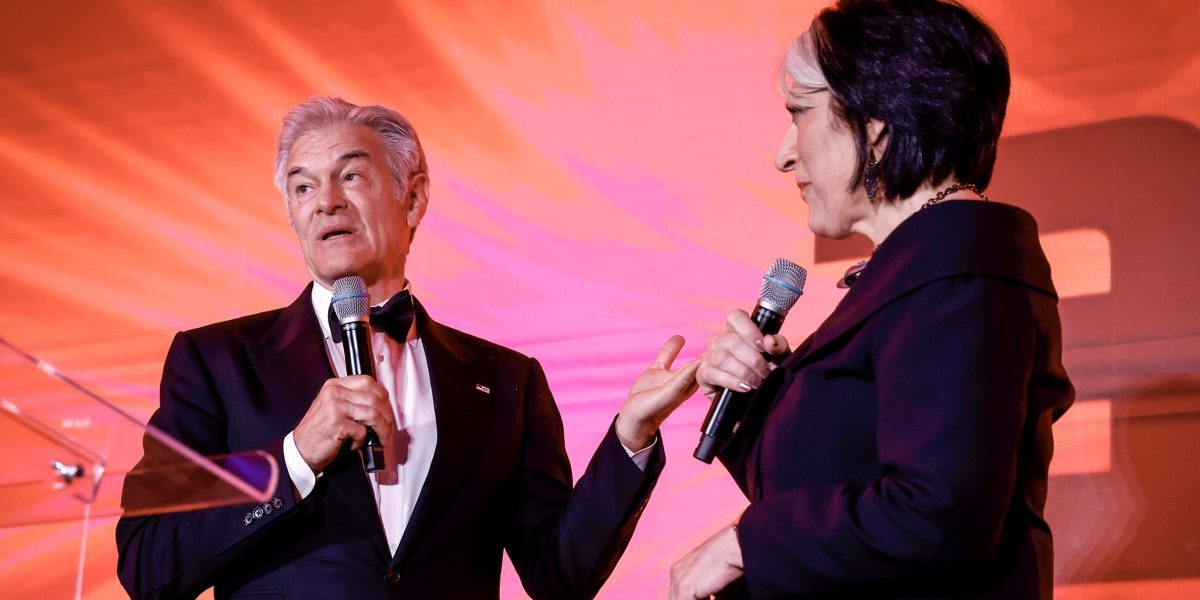
**High-Stakes Networking at Washington’s AI Soiree**
At an exclusive gathering in Washington last night, the city’s most influential AI minds rubbed shoulders with international dignitaries to honor AI pioneers, while a growing public backlash against the industry’s excesses loomed large in the shadows.
The AI Elite in Washington
The star-studded event brought together luminaries from the AI world, including **Andrej Karpathy**, former director of AI at Tesla, and **Fei-Fei Li**, director of the Stanford Artificial Intelligence Lab. Also in attendance was **Andrew Ng**, co-founder of Coursera and former Google executive. These individuals are at the forefront of AI research and development, and their work has far-reaching implications for global politics, economies, and societies.
The event’s attendees, however, were a far cry from the average American struggling to navigate the impact of AI on their daily lives. As concerns about data centers and chatbots have become increasingly vocal, many are questioning the ethics and environmental sustainability of AI development. Public protests have erupted in several cities, with demonstrators calling for stricter regulations and greater transparency.
Public Backlash Against AI’s Environmental Footprint
The growing unease surrounding AI’s environmental impact is driven by concerns about the massive energy consumption required to power data centers, which are the backbone of AI systems. These behemoths guzzle power, contributing to greenhouse gas emissions and exacerbating climate change. As a result, governments and corporations are under increasing pressure to adopt more sustainable practices and invest in renewable energy sources.
Meanwhile, the proliferation of chatbots, often touted as a convenient and efficient solution to customer service, has led to accusations of dehumanizing interactions and perpetuating biases. The public is increasingly wary of relying on AI-powered systems that may not have their best interests at heart.
What this means
As the AI elite continues to celebrate their achievements, the industry must confront the darker aspects of its growth. The public’s growing unease is a wake-up call for policymakers, corporations, and innovators to prioritize sustainability, ethics, and transparency. By addressing these concerns, the AI industry can work towards a future where technology serves humanity, rather than the other way around.
Ultimately, the Washington soiree may have been a celebration of the AI elite, but it was also a reminder that the true test of the industry’s progress lies in its ability to balance innovation with empathy and responsibility.