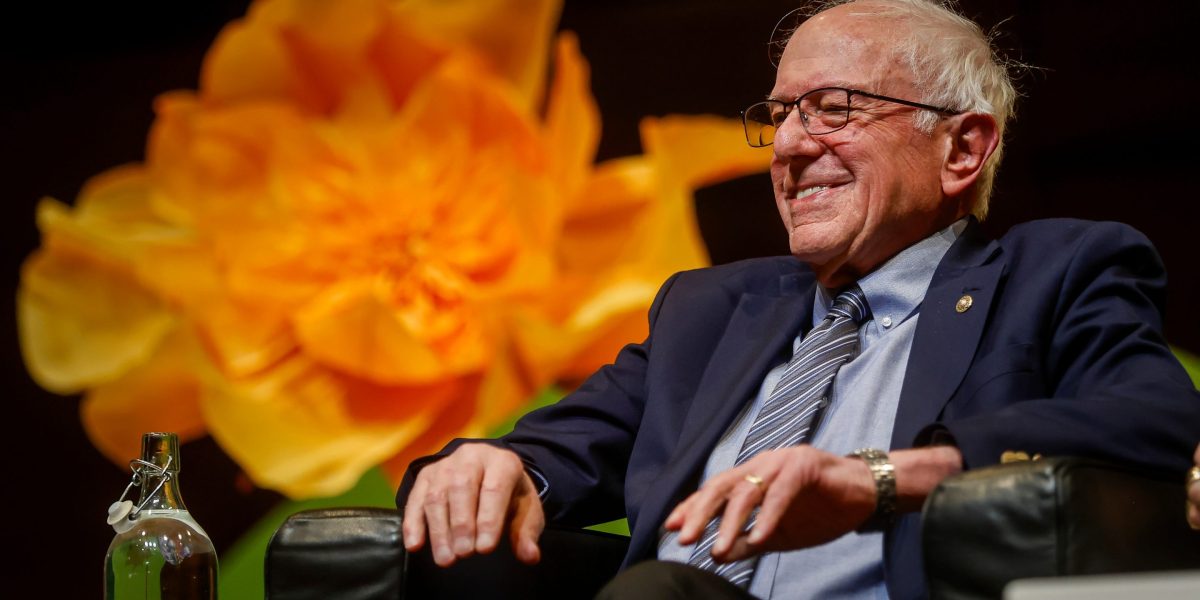
A private meeting between Sam Altman, CEO of OpenAI, and Senator Bernie Sanders has left many in the tech industry buzzing. The one-hour discussion centered on the public ownership of AI, a topic that’s gaining traction as concerns about tech giants’ dominance grow.
A Glimpse into a New Era of Tech Governance?
The meeting’s timing is significant. Just recently, Senator Sanders unveiled a plan that would allow the government to develop its own AI technologies, potentially creating a public-owned alternative to private companies like OpenAI. Altman, on the other hand, has been a vocal advocate for responsible AI development, but his meeting with Sanders suggests he’s open to exploring other options.
The White House has also announced a meeting between AI executives and administration officials, but the precise details and agenda remain unclear. It’s clear, however, that the conversation around AI ownership and governance is heating up.
A Potential Shift in the Balance of Power
Public ownership of AI would fundamentally alter the dynamic between governments, tech giants, and consumers. If implemented, it could lead to more transparent and accountable AI development, as well as greater control for the public over the technologies that increasingly shape our lives.
The implications are far-reaching: governments might develop AI systems that better serve the public interest, rather than solely maximizing profits. This, in turn, could lead to a level playing field for businesses and individuals alike, as the barriers to entry for developing AI technologies are reduced.
What this means
The meeting between Altman and Sanders marks a significant shift in the conversation around AI ownership. It suggests that even influential figures in the tech industry are beginning to consider the merits of public ownership, and the potential benefits it could bring to society. As the dialogue continues, it’s essential to keep a close eye on how this plays out, and what it might mean for the future of AI development and governance.