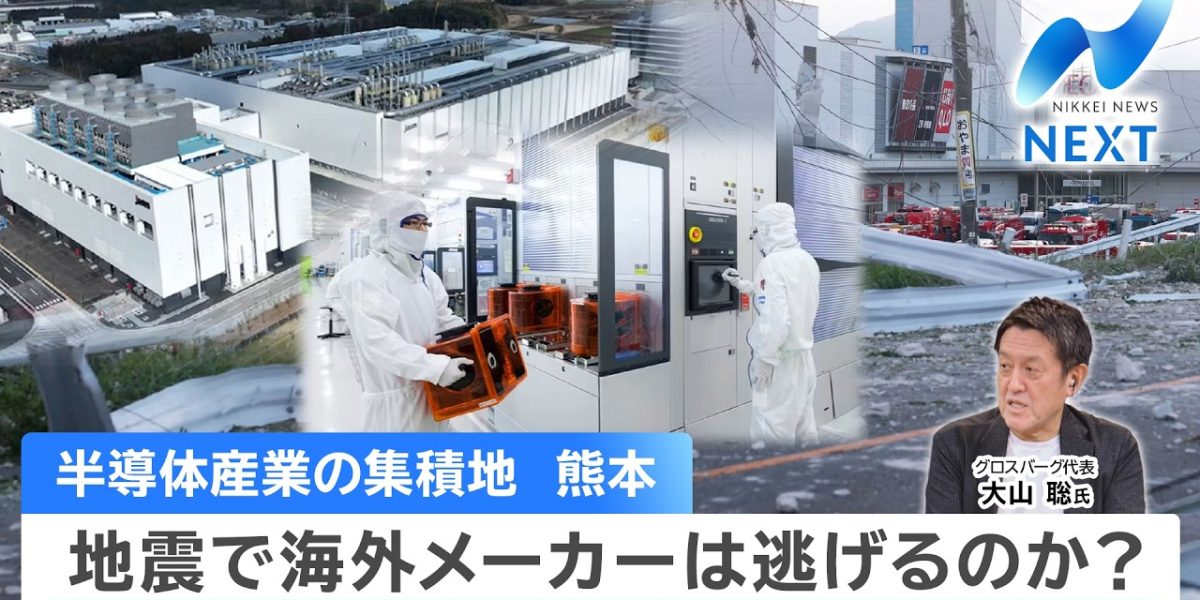
A **7.0 magnitude earthquake** struck Kumamoto Prefecture in Japan on July 28, causing widespread damage and disrupting operations at key semiconductor facilities. The disaster has sparked concerns among global chipmakers, with many wondering if the incident will prompt them to rethink their supply chains.
Japan’s Semiconductors Hub at Risk
The region affected by the earthquake is home to several leading chipmakers, including Sony, Toshiba, and Renesas Electronics. These companies are part of Japan’s vibrant electronics industry, which has long been a hub for semiconductor production. The impact of the earthquake on these facilities has raised alarms about potential delays in equipment shipments and delivery times.
The earthquake damaged roads, buildings, and infrastructure in the region, making it difficult for companies to access their facilities and transport equipment. This, in turn, has created concerns about meeting customer demand and maintaining production schedules. Industry insiders are bracing for potential disruptions to the global supply chain.
What This Means for Chipmakers
The impact of the earthquake on Japan’s semiconductor industry could have far-reaching consequences for chipmakers worldwide. The region’s production capacity is crucial to the global supply chain, and any significant disruptions could lead to shortages and delays. Companies that rely on Japanese suppliers may need to find new sources for their components, which could add complexity and cost to their operations.
For consumers, the fallout from the earthquake could manifest in delayed product launches, increased prices, and reduced availability of electronic devices. The industry is watching the situation closely, and experts predict that the full extent of the damage will become apparent in the coming weeks.
Global Chipmakers’ Reaction
Representatives from leading chipmakers, including Intel and Taiwan Semiconductor Manufacturing Company (TSMC), have expressed concerns about the impact of the earthquake on their supply chains. While none have announced plans to abandon their Japanese operations just yet, they’re keeping a close eye on the situation and exploring contingency plans.
As the industry adjusts to the aftermath of the earthquake, one thing is clear: the global semiconductor supply chain will face significant challenges in the coming months. Only time will tell how chipmakers will adapt to the new reality and mitigate the effects of the disaster on their operations.