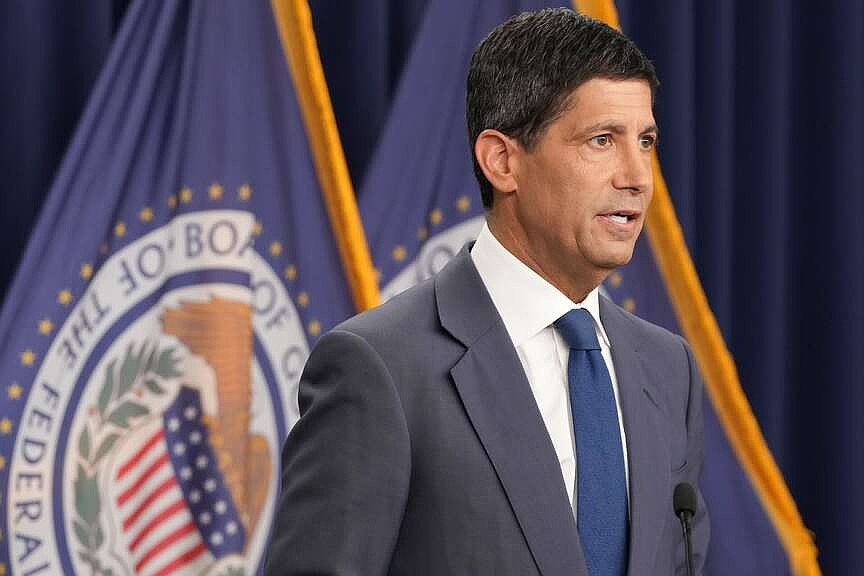
The Federal Reserve’s decision to keep the lid on interest rates is a signal it’s still cautious about the US economy.
At its latest meeting, the Fed’s policymakers didn’t budge: the target short-term interest rate remains stuck at 5.25% to 5.5%. The decision was widely expected, but some Fed officials think they should have raised interest rates to combat inflation, which has refused to budge despite efforts to cool it down.
Dissenting voices
A surprising three Fed officials – Lael Brainard, Philip Jefferson, and Michael Sacks – voted in favor of a quarter percentage point rate hike. Their reasons for dissenting aren’t entirely clear, but they might have been concerned that inflation isn’t falling quickly enough or that higher interest rates could actually help the economy in the long run.
While Fed officials have been signaling that they’re done raising interest rates for now, they’re still worried about inflation. It has been above the Fed’s target rate of 2% for most of the past year, and they’re not sure when it will come back down to earth.
What this means
The Fed’s decision not to raise interest rates isn’t a signal that the economy is doing great; it’s more like a cautious hold position. Higher interest rates make borrowing more expensive, which can slow down the economy and reduce inflation. But if inflation is still high, the Fed doesn’t want to make things worse by raising rates too high, too fast.
What it means for regular people is that interest rates on credit cards, mortgages, and other loans will stay where they are – not great news for folks with variable-rate debts or those trying to buy a house. The good news is that the Fed is keeping an eye on inflation and will likely act if it gets too high. But for now, they’re taking a wait-and-see approach.