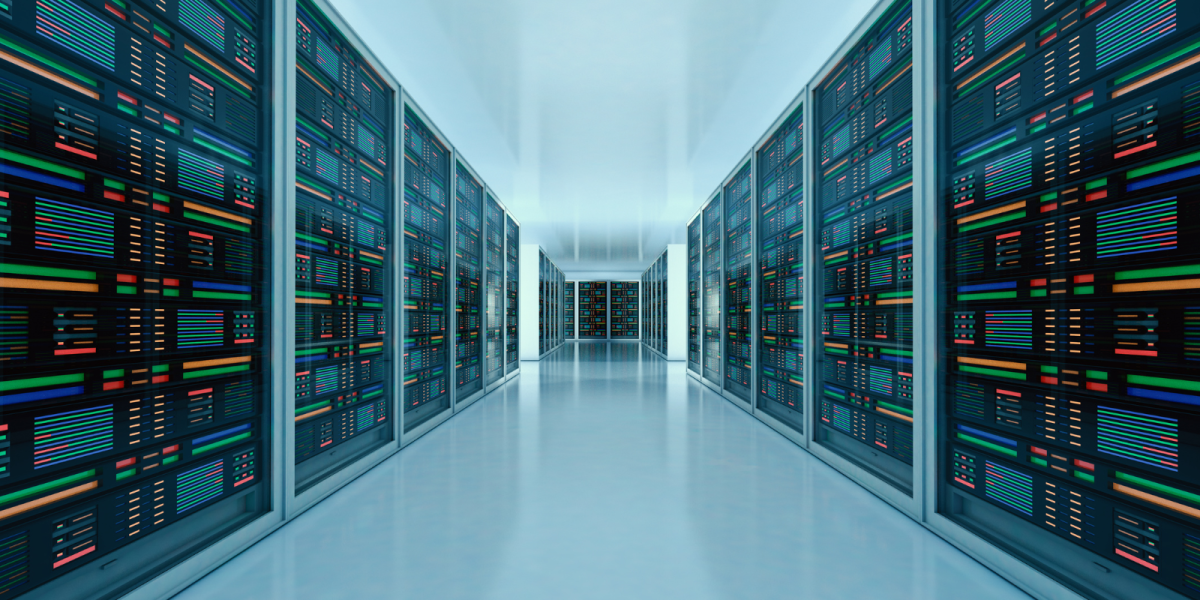
The world’s data centres are on track to consume as much electricity as the entire nation of Japan by 2030, raising serious concerns about the strain on global energy grids.
Data Centre Demand Skyrockets
The International Energy Agency (IEA) estimates that data centres will swallow around 945 terawatt-hours of electricity annually by 2030, a staggering figure that’s roughly double the current consumption. To put this into perspective, that’s equivalent to powering all of Japan’s electrical needs today.
Data centres are the backbone of the global digital economy, housing vast amounts of data and powering the likes of cloud computing, social media, and online services. As AI and machine learning continue to advance, data centres will need to support increasingly complex computations, driving up energy demands.
According to a study by the National Renewable Energy Laboratory (NREL), data centre energy consumption has been growing at an alarming rate. In 2019, they accounted for around 1% of global electricity demand, but this is expected to skyrocket to 8% by 2030.
The Energy Grid Under Strain
As data centres continue to grow, so too will the pressure on energy grids built during a different era. The current infrastructure may struggle to cope with the increased demand, leading to power outages and brownouts in some areas.
“The energy needs of data centres threaten to overwhelm the grid,” said Dr. Maria van der Hoeven, former Executive Director of the IEA. “This is a pressing issue that requires urgent attention from policymakers and industry leaders.”
What this means
The implications of this growth are far-reaching, and it’s crucial that we address the issue before it’s too late. One possible solution is to increase the use of renewable energy sources, such as solar and wind power, to power data centres. This could not only reduce our reliance on fossil fuels but also help mitigate the impact of climate change.
However, this will require significant investments in infrastructure and technology. Governments, industry leaders, and researchers must work together to develop innovative solutions that balance the needs of the digital economy with the need for energy security.