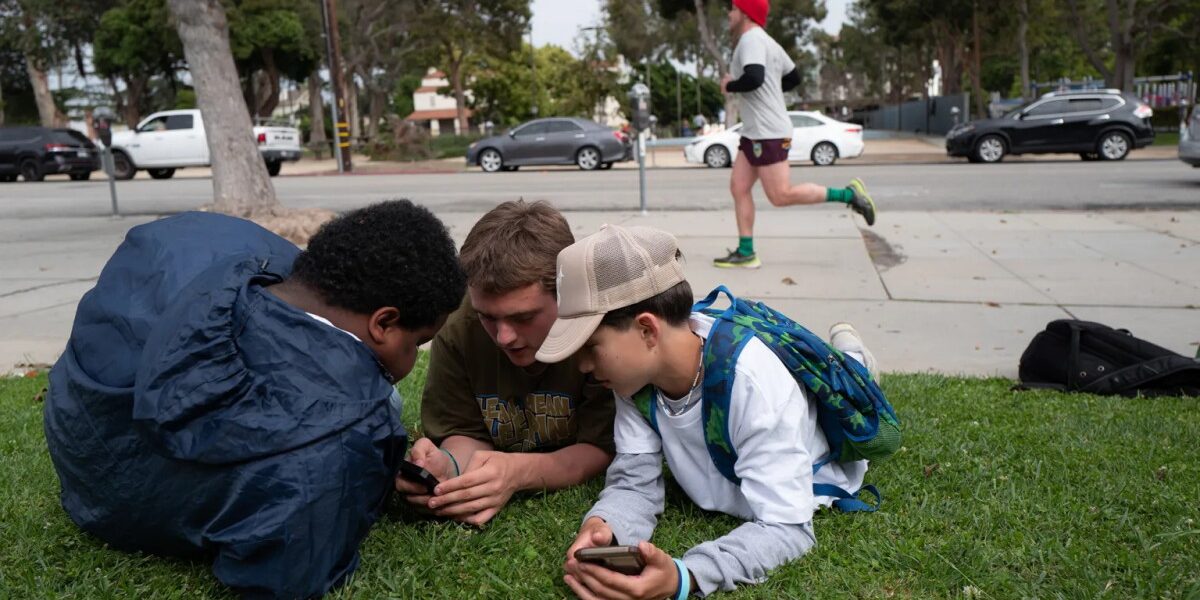
Social media is a breeding ground for teens, but for Brazil, it’s a breeding ground for control.
Brazil recently passed a law giving parents the power to control their kids’ online activities, including monitoring social media use and setting limits on screen time. The law, known as the “Marco Civil da Internet,” also includes provisions for age verification and parental consent for online transactions.
California’s Lackluster Response
Meanwhile, in the United States, California is leading the charge on kids’ data privacy. The state has enacted a new wave of laws aimed at protecting children online, following a string of alarming trends in teen mental health and increased social media use.
The state’s laws include protections to prevent children’s data from being used for targeted advertising and to limit companies’ ability to collect and monetize kids’ personal information. However, when it comes to giving parents direct control over their kids’ online activities, California falls short.
A Global Comparison
Internationally, Brazil’s law is a departure from the norm. While some countries have implemented strict regulations on social media usage, particularly in Europe, Brazil’s law is notable for its emphasis on parental control.
In contrast, California’s laws focus on the tech companies themselves, rather than individual parents. This might be due, in part, to the state’s history of taking on major tech players on issues like net neutrality and data privacy.
What this means
For parents in Brazil, this law gives them a powerful tool to monitor and control their kids’ online activities. But in California, similar concerns about teen mental health and social media usage are largely left to individual parents to address. The contrast highlights the need for more comprehensive protections for kids online – and for tech companies to take responsibility for the impact of their platforms on young users.