Nvidia’s Jensen Huang declares AI’s ‘ChatGPT moment’ for physical robots has finally arrived.
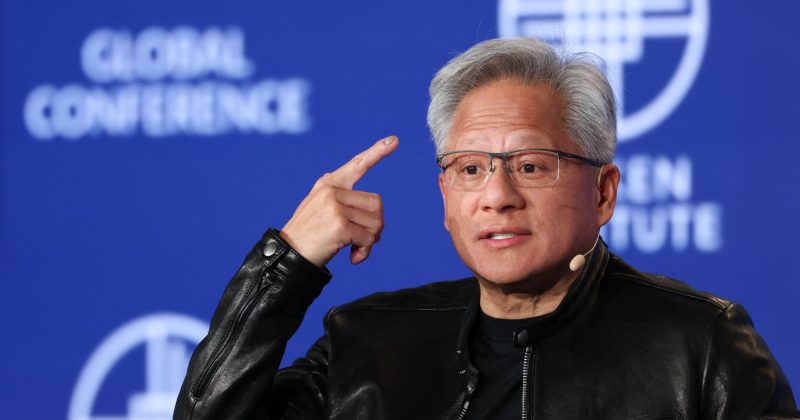
Nvidia CEO Jensen Huang believes the industry has reached a turning point in the development of physical AI, likening it to the explosive growth of language-based AI seen with ChatGPT last year. Speaking at VivaTech, Huang estimated that the market for physical AI could reach a staggering $50 trillion.
**Physical AI: The Next Frontier**
For those unfamiliar, physical AI refers to the application of artificial intelligence in the physical world – think robots, drones, and self-driving cars. These machines are increasingly capable of operating without human intervention, and their deployment is poised to transform industries from manufacturing to transportation.
**Opportunities Abound, But Challenges Lurk**
While the potential rewards are immense, Huang also warned about the potential pitfalls of this emerging field. He mentioned concerns about GPU supply strains, as the demand for graphics processing units (GPUs) is expected to skyrocket with the growth of physical AI. This could exacerbate the already-existing supply chain issues plaguing the crypto industry, where GPUs are also in high demand.
**Regulatory Challenges and Market Concentration**
Another issue Huang touched upon was the regulatory environment surrounding physical AI. As these machines become more sophisticated, governments will need to establish clear guidelines to ensure public safety and prevent potential misuse. Additionally, the growth of physical AI may lead to market concentration issues, where a handful of large companies dominate the market, stifling innovation and limiting competition.
**What this means**
For consumers, the advent of physical AI could bring significant benefits, such as improved manufacturing efficiency, enhanced customer service, and increased productivity. However, it also raises important questions about the role of humans in an increasingly automated world. As the industry continues to evolve, it’s essential to strike a balance between innovation and responsible development.