Majority of Generative AI Pilots Still Failing to Deliver Measurable Value.
One year after a MIT study reported that 95% of generative AI pilots were failing to deliver measurable value, new research from Aptean reveals a stark contrast when companies use industry-specific AI solutions. The findings, released this month, highlight the importance of tailoring AI to a company’s particular needs and vertical.
Why Industry-Specific AI Beats General-Purpose AI
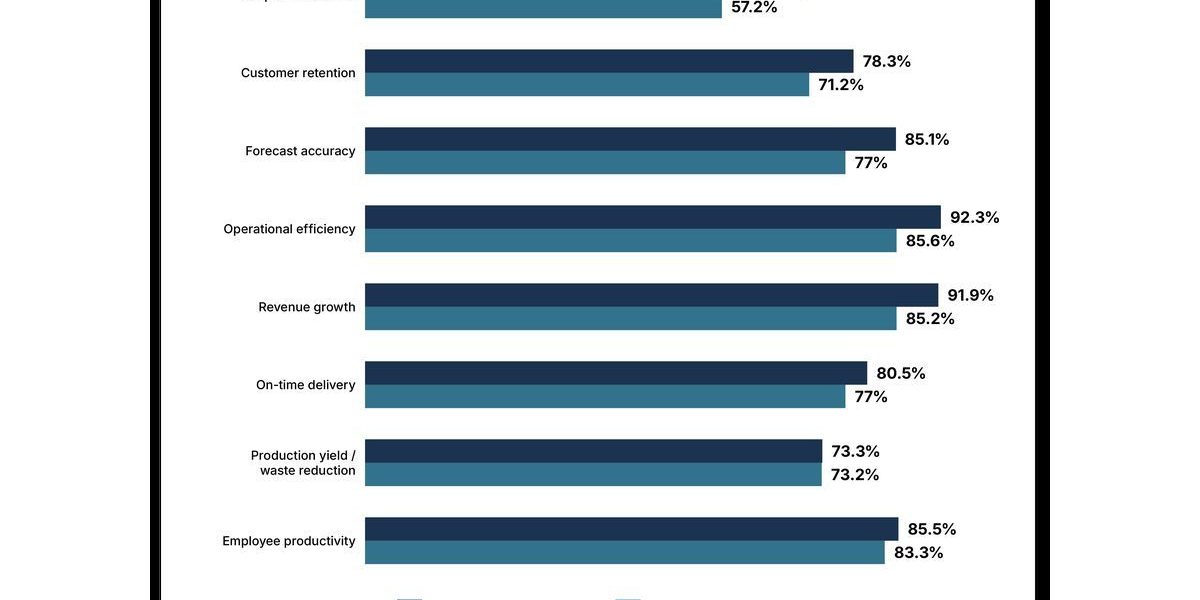
The study, which surveyed companies across various sectors, found that organizations using industry-specific AI solutions reported improved operational results compared to those relying on general-purpose AI. This suggests that a ‘one-size-fits-all’ approach to AI might not be the most effective strategy for businesses seeking tangible benefits.
According to the Aptean research, companies utilizing industry-specific AI solutions experienced higher levels of automation, increased efficiency, and enhanced decision-making capabilities. These improvements led to better overall performance and a higher return on investment.
A Surprising Glimmer of Optimism Amidst Frustration
Despite the disappointing results of many generative AI pilots, companies remain optimistic about AI’s potential. In fact, 83% of respondents view AI as essential to their long-term success, indicating that most businesses are willing to continue investing in and exploring AI solutions.
This optimism, coupled with the success of industry-specific AI, implies that companies are learning from their earlier experiences and adjusting their strategies accordingly. This willingness to adapt might signal a turning point in the adoption of AI technology.
What This Means
The takeaway from Aptean’s research is clear: companies will see better results from AI when they tailor their solutions to their specific industry and needs. This might require a more nuanced approach, involving more detailed analysis and collaboration between departments. However, the payoff could be significant, leading to improved operational efficiency, higher productivity, and enhanced competitiveness in the market.