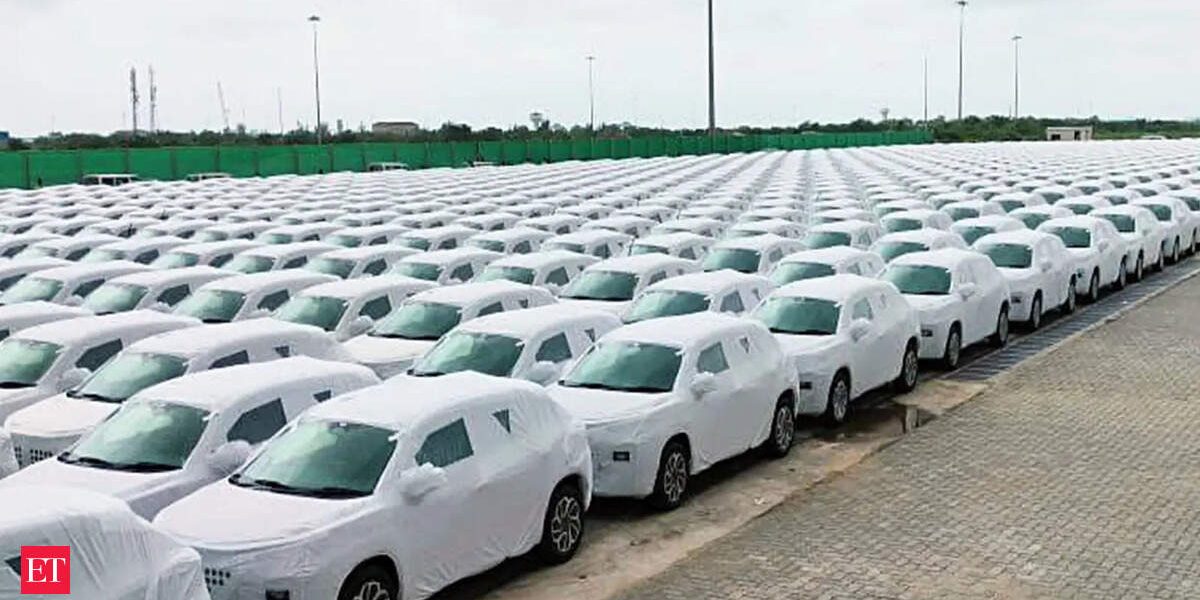
Affordability concerns are forcing a change in car buying habits worldwide, with consumers delaying purchases and opting for smaller vehicles due to financial pressures.
Consumers Get Savvier About Car Costs
McKinsey’s findings suggest that consumers are no longer willing to shell out for large, fuel-guzzling vehicles. Instead, they’re turning to more affordable options, such as smaller cars or even alternative modes of transportation like ride-sharing services. This shift in behavior is largely driven by financial pressures, as many individuals are facing increased living costs, inflation, and stagnant wages.
While this might sound like bad news for the automotive industry, it presents an opportunity for manufacturers to innovate and adapt. By focusing on producing more affordable, eco-friendly vehicles, companies can tap into the growing demand for electric vehicles (EVs) and stay ahead of the competition.
Electric Vehicle Adoption on the Rise
McKinsey reports that EV adoption is growing, particularly in China, where mainstream consumers are increasingly embracing electric vehicles. This trend is expected to continue, driven by governments’ emphasis on sustainable transportation and the decreasing cost of EVs. With battery prices dropping and charging infrastructure expanding, EVs are becoming a more viable option for consumers.
What this means is that car manufacturers need to rethink their product lines and production strategies. They’ll need to prioritize the development of affordable EVs, as well as alternative fuel sources, to stay competitive in the market. This shift will also require significant investments in charging infrastructure and battery technology.
Industry Transformation Ahead
The automotive industry is on the cusp of a significant transformation, driven by changing consumer preferences and technological advancements. As affordability concerns continue to shape car buying habits, manufacturers will need to adapt and innovate to stay relevant. By prioritizing sustainability, affordability, and customer needs, the industry can emerge stronger and more resilient in the face of these challenges.