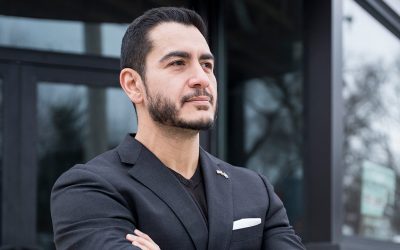
A deepfake video of Union Minister Piyush Goyal has set off alarm bells in India, prompting authorities to file an FIR against unknown individuals. The video, created using AI manipulation, allegedly distorted Goyal’s statements to the media outside Parliament.
The Rise of AI-Generated Deceit
Deepfakes have been around for a while, but their sophistication has increased dramatically in recent years. The technology to create these AI-generated videos is now more accessible than ever, making it easier for bad actors to spread disinformation. In this case, the perpetrator may have exploited Goyal’s words to suit their agenda.
The ease with which AI can manipulate audio and video footage poses a significant threat to public discourse. This incident serves as a stark reminder of the importance of verifying information, especially in the digital age. With the lines between reality and fabrication increasingly blurred, it’s up to individuals and institutions to remain vigilant.
What this means
The rapid advancement of AI-generated deepfakes underscores the need for stricter regulations and safeguards. This could include measures to detect and flag suspicious content, as well as education campaigns to raise awareness about the dangers of deepfakes. For individuals, it’s crucial to be cautious of information that seems too good (or bad) to be true, and to verify facts through reputable sources.
The Chanakyapuri Police Station’s decision to file an FIR is a significant step towards holding perpetrators accountable. However, this incident also highlights the challenges of policing deepfakes, particularly when the technology is constantly evolving. As we move forward, it’s essential to strike a balance between preserving free speech and protecting citizens from the spread of disinformation.
The AI Landscape
India is not alone in grappling with the challenges posed by AI-generated deepfakes. Globally, there is a growing concern about the misuse of AI technology, with governments and experts working to develop solutions. In the meantime, individuals must be proactive in protecting themselves from the fallout.
The deepfake video of Piyush Goyal serves as a warning sign that we need to be more cautious about the information we consume. By staying informed and verifying facts, we can mitigate the damage caused by AI-generated deceit. It’s a reminder that in the age of AI, critical thinking and media literacy are more crucial than ever.