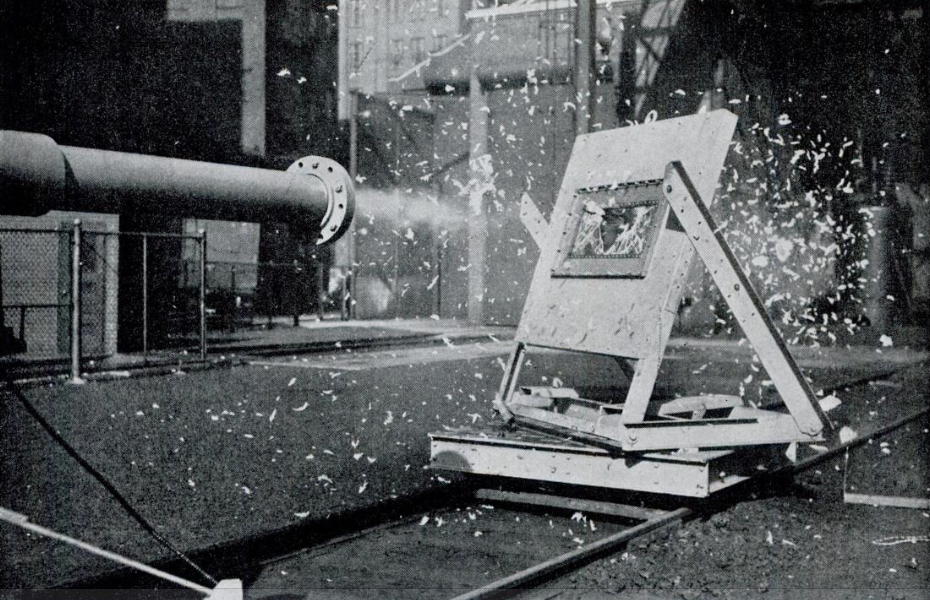

To prove a jet can survive a bird strike, engineers load dead chickens into a cannon and fire them at the cockpit at full flight speed.
The idea of blasting dead chickens at a plane might seem ridiculous, but it’s a crucial test for aircraft manufacturers. In 2020, a passenger plane suffered a bird strike during takeoff in the United States, causing significant damage to the engine and forcing the plane to make an emergency landing. Engineers realized that even small birds can be deadly at high speeds, so this test is essential to ensure that cockpits can withstand the impact.
Called “bird-strike testing,” this practice has been the standard method for demonstrating aircraft bird-strike resistance since 1942. Engineers load a dead chicken, typically weighing around 1.5 pounds, into a large cannon at the top of a test facility. The cannon, powered by compressed air, fires the chicken at the plane’s windshield at speeds of up to **560 miles per hour**.
The Science Behind the Test
When a bird strikes a plane, the impact can cause significant damage to the windshield, windows, and engine. A bird’s body is made up of dense bones, which can shatter upon impact, leading to a catastrophic failure of the cockpit. To replicate this, engineers carefully select the type of chicken to use, often preferring larger breeds like turkeys or geese, as their bones are more dense and will provide a more accurate simulation of a real bird strike.
The test is typically performed at the end of the design process for a new plane. If the bird-strike test is successful, the aircraft meets the Federal Aviation Administration’s (FAA) guidelines for bird-strike resistance. What this means for passengers is a safer flying experience. With the assurance that the cockpit can withstand the impact of a bird strike, passengers can rest easy knowing that their safety is a top priority for aircraft manufacturers.