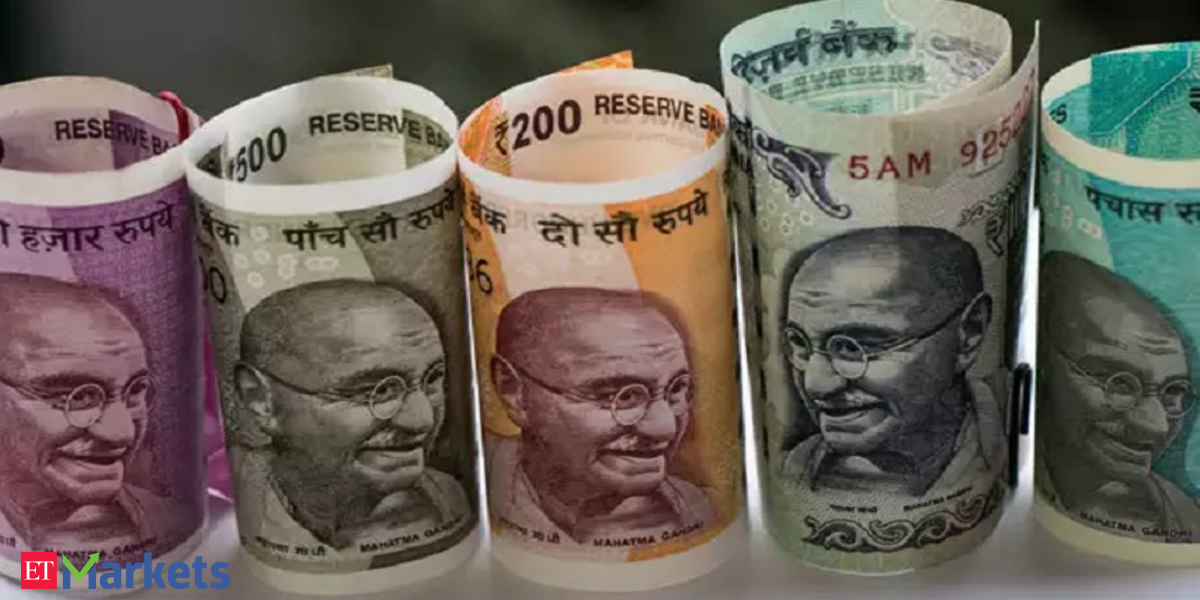
The Indian rupee’s recent rebound has lost steam as soaring crude oil prices undermine investor confidence, effectively erasing bets on a sustained recovery.
Crude Oil Prices Fuel Rupee’s Volatility
The Indian rupee’s woes are not unique to the Asian region, but its reliance on imported energy and the ripple effect on the broader economy make it more vulnerable to external shocks. With oil prices surging again, investor expectations of fresh capital inflows supporting the rupee’s recovery have fizzled out.
Crude oil prices have witnessed a more than 20% jump, largely driven by global supply chain disruptions and geopolitical tensions. This trend is expected to continue, as the Organization of the Petroleum Exporting Countries (OPEC) maintains its production cuts.
Impact on India’s Economy
India is heavily dependent on oil imports, which account for over 80% of the country’s consumption. The recent surge in crude oil prices has already led to a sharp increase in the country’s trade deficit, putting pressure on the Indian rupee. As a result, the rupee’s rebound in recent months has stalled, and investors are now revising their expectations downward.
The impact of crude oil prices on the Indian economy is not limited to the trade deficit. With oil being a major input for various industries, higher prices can lead to inflation, which in turn can erode purchasing power and slow down economic growth.
What This Means for Rupee Investors
The Indian rupee’s decline is likely to continue in the near term, with oil prices expected to remain a major headwind. Investors who were betting on a sustained recovery in the rupee will need to reassess their expectations and strategies. A weaker rupee is likely to have a ripple effect on the broader economy, making it essential for policymakers to take proactive measures to mitigate the impact.
In terms of practical implications, investors may want to consider diversifying their portfolios to reduce exposure to the rupee. This could involve investing in other Asian currencies or exploring other asset classes that are less correlated with oil prices.