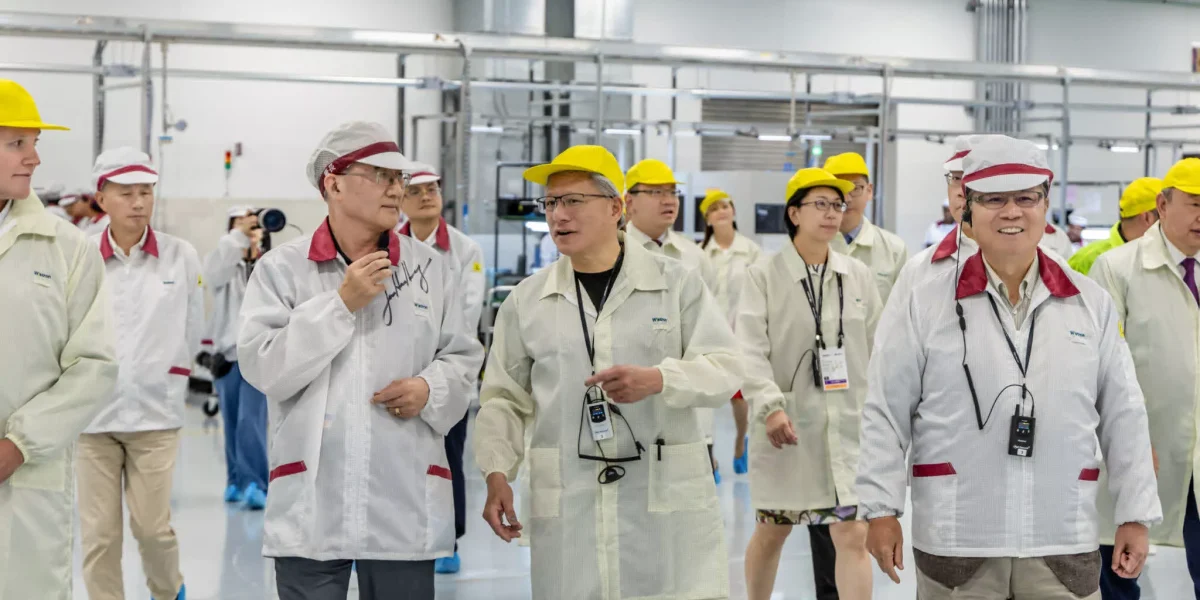
Nvidia executive chairman Jensen Huang has come out in defense of Chinese AI models, amidst concerns over their impact on the industry. The timing of his comments is particularly interesting, given that Moonshot AI’s Kimi K3 model debuted just days prior, taking second place on Artificial Analysis’ Intelligence Index and first on LMArena’s blind Forrester.
China’s AI Rise Sparks Industry Concerns
The AI market has been abuzz with talk of Chinese models posing a threat to Western companies. However, Huang’s stance suggests that Nvidia is willing to coexist with these new players.
Huang’s comments were made in response to the recent surge in valuation of Nvidia’s stock, which took a hit due to the perceived threat posed by Chinese AI models. His message was clear: open-source models that excel should be utilized.
Open-Source AI: The New Normal?
Huang’s words have significant implications for the industry. By embracing open-source AI models, Nvidia acknowledges that the days of proprietary technology may be behind us. This shift could lead to increased collaboration, as developers and researchers share resources and expertise to advance AI capabilities.
The market is already responding to this trend. Moonshot AI’s Kimi K3, which debuted on July 16, has received widespread attention for its impressive performance on Intelligence Index and LMArena’s blind Forrester tests. This success highlights the potential of open-source models to drive innovation and competition in the AI space.
What This Means for You
Huang’s defense of Chinese AI models signals a new era in AI development, where collaboration and open-source sharing may become the norm. This shift could lead to more accessible and affordable AI solutions for businesses and individuals alike. As the industry continues to evolve, expect to see more emphasis on open-source models and collaboration among AI developers and researchers.
Nvidia’s stance has significant implications for the future of AI. By embracing open-source models, the company is acknowledging the importance of collaboration and innovation. As the industry continues to grow and evolve, it will be interesting to see how other players respond to this trend.
Huang’s comments also raise questions about the future of AI ownership and control. If open-source models become the standard, how will companies like Nvidia and OpenAI adapt to this new landscape? One thing is clear: the AI industry is on the cusp of significant change, and Nvidia’s defense of Chinese AI models is just the beginning.