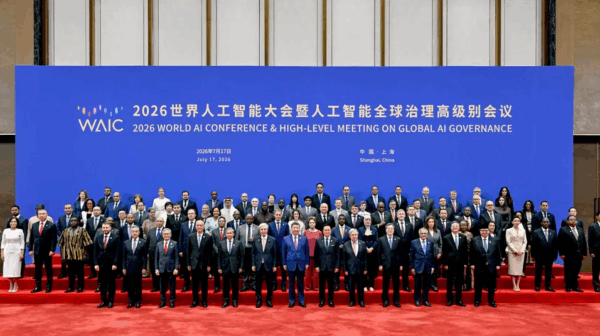
China’s aggressive push to set global AI standards has left many experts wondering: what’s the real motive behind Beijing’s efforts?
China’s state-sponsored tech giants, like **Baidu**, **Huawei**, and **Tencent**, have been making significant strides in AI research and development, but Beijing is now looking to extend its influence beyond just innovation – into international norms and governance. A recent flurry of high-profile AI conferences, research initiatives, and even a proposed **global AI ethics framework** has raised eyebrows among critics who see a calculated attempt to shape AI development according to China’s own values.
At first glance, China’s efforts seem aimed at promoting itself as a responsible global leader in AI, particularly in the wake of high-profile scandals involving Western tech giants. The proposed AI ethics framework, for example, emphasizes transparency, accountability, and respect for human rights – all values that align with China’s stated goals of promoting a harmonious and peaceful AI development process. However, many experts see this as a thinly veiled attempt to export China’s own illiberal values and authoritarian approach to AI governance.
The stakes are high, as China’s influence in international AI standards could have far-reaching implications for global tech policies, cybersecurity, and even human rights. If successful, Beijing’s push could create a fragmented and multipolar AI landscape, with competing standards and norms that undermine the open-source principles that have long defined the tech industry.
What China’s AI Governance Offensive Means for You
So, what does this mean for the average tech user? For one, it means that Beijing’s efforts could ultimately lead to a more fragmented and restricted AI ecosystem – one where certain values and norms are prioritized over others. As a result, users may face more restrictions on data collection, usage, and sharing, particularly in sensitive areas like facial recognition and surveillance.
Moreover, China’s aggressive push could also lead to a shift in the global balance of power, with Beijing’s influence on AI standards potentially challenging the dominance of Western tech giants. This, in turn, could have major implications for the global economy, trade, and even politics.
Why You Should Care
While China’s AI governance offensive may seem like a far-off concern, it’s essential to stay informed about the implications of Beijing’s efforts. As AI continues to increasingly shape our world, it’s crucial to understand the values and norms that underpin its development – and to advocate for a more open, inclusive, and transparent AI ecosystem that prioritizes human rights and values.
By keeping a close eye on China’s AI governance offensive, we can ensure that the values we hold dear – like freedom, autonomy, and accountability – remain at the forefront of AI development, rather than being quietly replaced by more authoritarian alternatives.