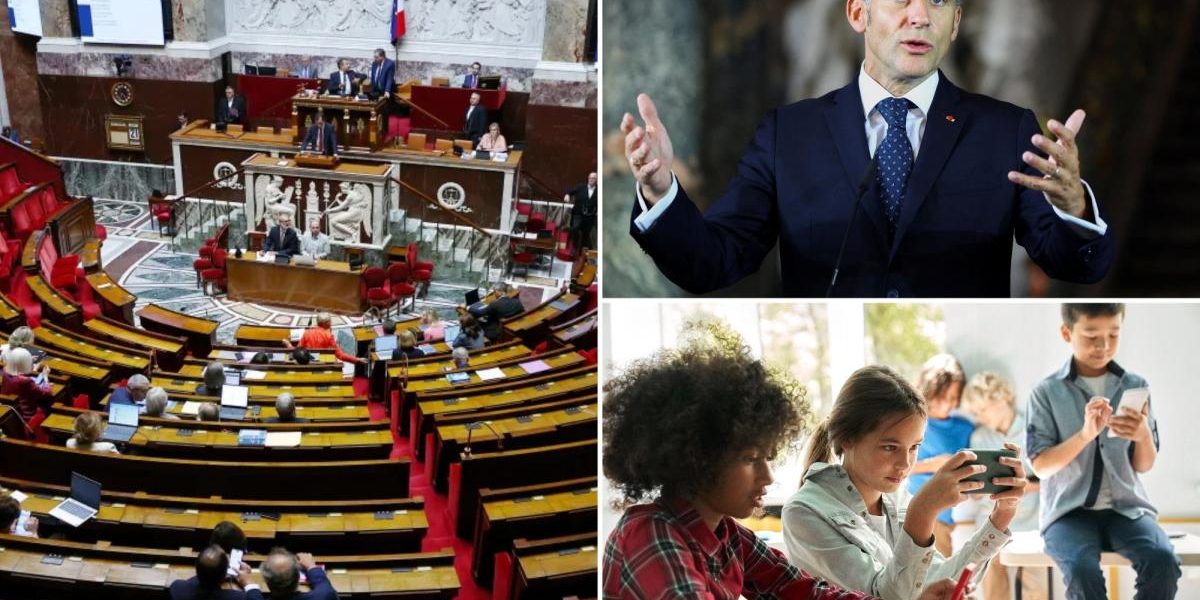
**France Becomes First EU Nation to Ban Social Media for Children Under 15**
A bill to prohibit social media use for minors under 15 has been adopted by French lawmakers, making France the first European Union country to impose such a blanket ban.
The move comes in response to a series of high-profile lawsuits against TikTok by families claiming the platform’s content contributed to teen suicides. This latest development reflects growing concerns about the impact of social media on children’s mental health.
The ban is set to be enforced by fines of up to €60,000 for first-time offenders, with subsequent offenses punishable by fines of up to €100,000. Social media companies will be required to verify users’ ages and implement stricter moderation policies to prevent exposure to harmful content.
**What this means**: For parents, this ban means a significant reduction in the pressure to monitor their children’s online activities. It also puts the onus on social media companies to take responsibility for protecting young users. However, the enforcement of the ban remains a challenge, and the effectiveness of the measures will be closely watched.
**The EU’s First Social Media Ban: A Potential Precedent?**
Critics argue that a blanket ban may not be the most effective solution, as it could drive children to use social media anonymously or through alternative platforms. Proponents, however, see the ban as a necessary step to protect children from the potential harms of social media.
The French government claims that the ban is designed to protect children’s mental health and well-being. However, some experts have raised concerns that the ban may not address the root causes of the issue, such as bullying, cyberbullying, and the pressure to present a perfect online image.
**The Role of Social Media Companies**
While the ban is aimed at social media companies, some critics argue that the problem lies with the platforms’ algorithms, which prioritize engagement and clickbait content over user well-being. TikTok and other social media companies will need to adapt to the new regulations and implement stricter moderation policies to avoid fines.
The French ban sets a precedent for other European countries to follow suit. As the EU continues to debate the impact of social media on children’s mental health, this move is likely to spark a wider conversation about the responsibilities of social media companies and the need for effective regulation.