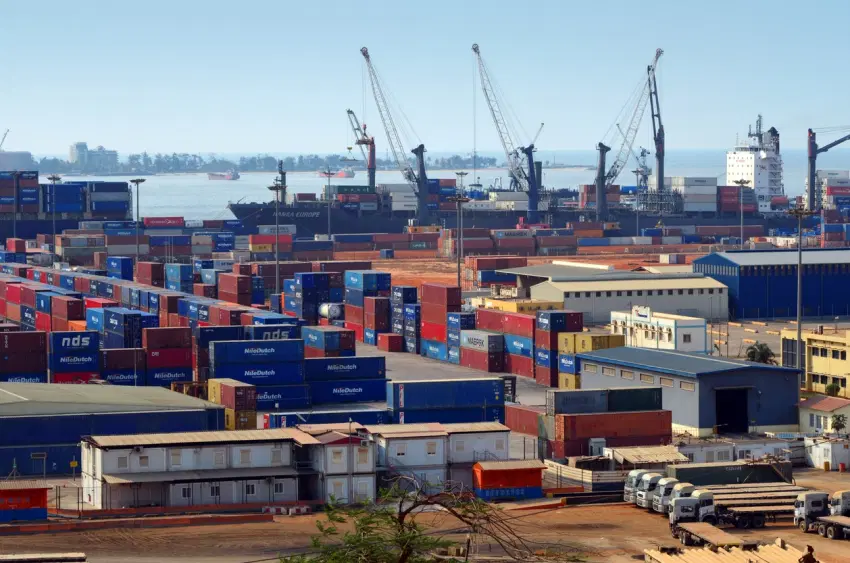
Nigerian ports become a new frontier for transnational drug cartels.
A recent report from the Sea Empowerment & Research Center has revealed a disturbing trend: Nigeria’s seaports are increasingly being used as conduits for international drug trafficking.
This rise in drug trafficking through Nigerian ports poses a severe threat to the country’s trade reputation, economic competitiveness, and investment prospects.
The report, obtained by this journalist, highlights the alarming increase in seizures of illicit substances at Nigerian ports. Just last year alone, authorities confiscated 4,500 kilograms of cocaine, with some estimates suggesting the true volume of smuggled goods could be much higher.
What this means is that any country or company looking to do business in Nigeria or with Nigerian partners will need to take extra precautions to ensure they’re not being inadvertently associated with these illicit activities.
The involvement of transnational drug cartels in Nigeria’s ports raises concerns about corruption, money laundering, and the potential for organized crime to infiltrate legitimate trade. The economic costs of these activities will likely be significant, with potential losses ranging from $1 billion to $2 billion annually, according to industry experts.
Nigeria’s government must take swift and decisive action to combat this threat, investing in enhanced security measures, increased intelligence gathering, and stricter regulations to prevent drug trafficking through its seaports.
As one industry insider noted, “The international community is watching Nigeria closely, and if the country fails to address this issue, it could have serious consequences for its trade relationships and reputation.”