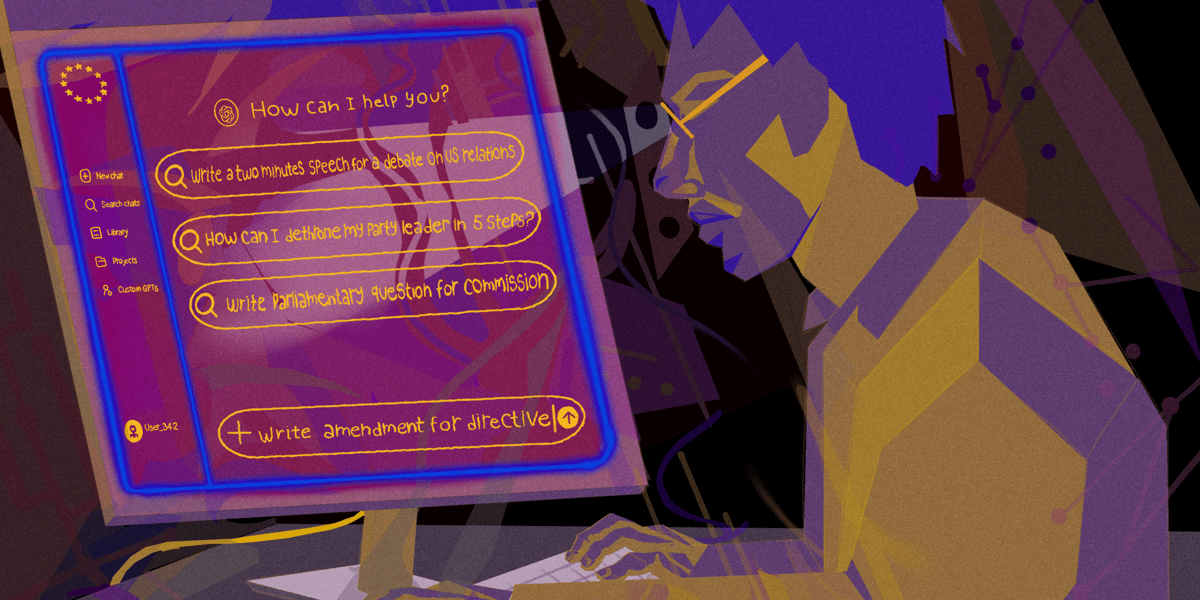
The European Parliament is embracing more AI to tackle its own AI problems, in a move that highlights the complex relationship between lawmakers and the technology they’re trying to regulate.
Regulating the Regulators
The institution is opening its doors to models from some of the biggest names in AI, including OpenAI, Meta, Anthropic, and Mistral, as it tries to bring the growing use of AI among lawmakers under control. This is a strange twist, considering the European Union’s AI Act is designed to address the very issues that have plagued Parliament – AI slop and misleading AI-generated content.
Brando Benifei, the Socialists and Democrats lawmaker who led Parliament’s work on the AI Act, has admitted that AI has been a problem within the institution itself. AI-generated content, often with a misleading or false narrative, has begun to appear in Parliament’s internal communications and even in official documents.
The AI Act and the AI Problem
The AI Act, a landmark law aimed at regulating the development and use of AI within the EU, has been years in the making. However, the law’s own implementation is now being tested by the very same AI issues it’s designed to address. The law’s goal is to ensure that AI systems are transparent, explainable, and accountable, but it’s unclear how this will work in practice.
The decision to allow AI models from outside companies into Parliament’s internal systems raises questions about the potential risks and benefits of this approach. While these models may help streamline processes and improve accuracy, there’s also a risk that they could exacerbate the AI problems Parliament is trying to solve.
What This Means
This move by the European Parliament highlights the need for more thoughtful and nuanced approaches to regulating AI. Rather than simply relying on technology to solve its problems, the institution needs to think more critically about how AI is being used and how it can be controlled.
For now, this development serves as a reminder that even the institutions tasked with regulating AI are still grappling with its complexities and challenges.